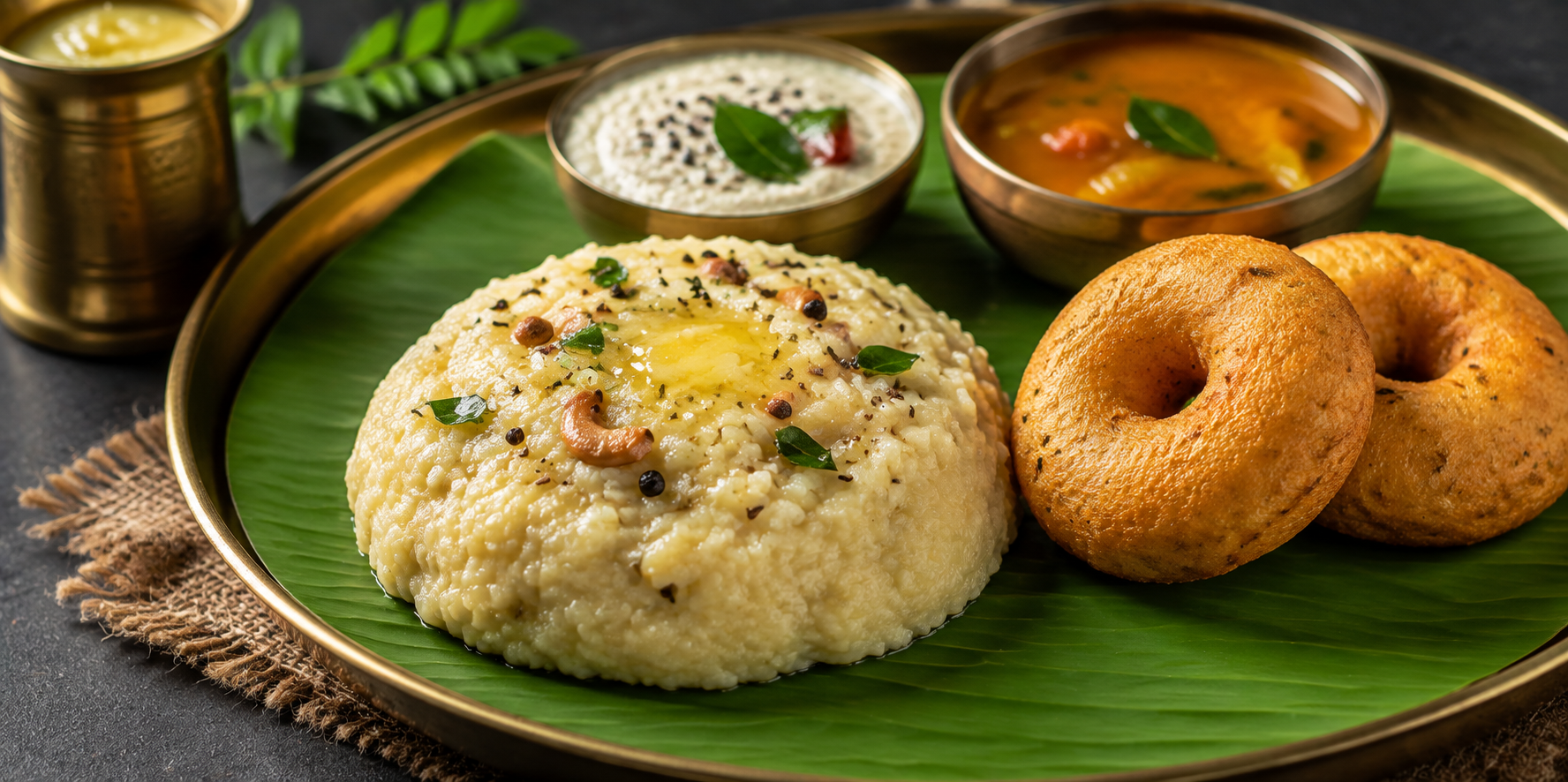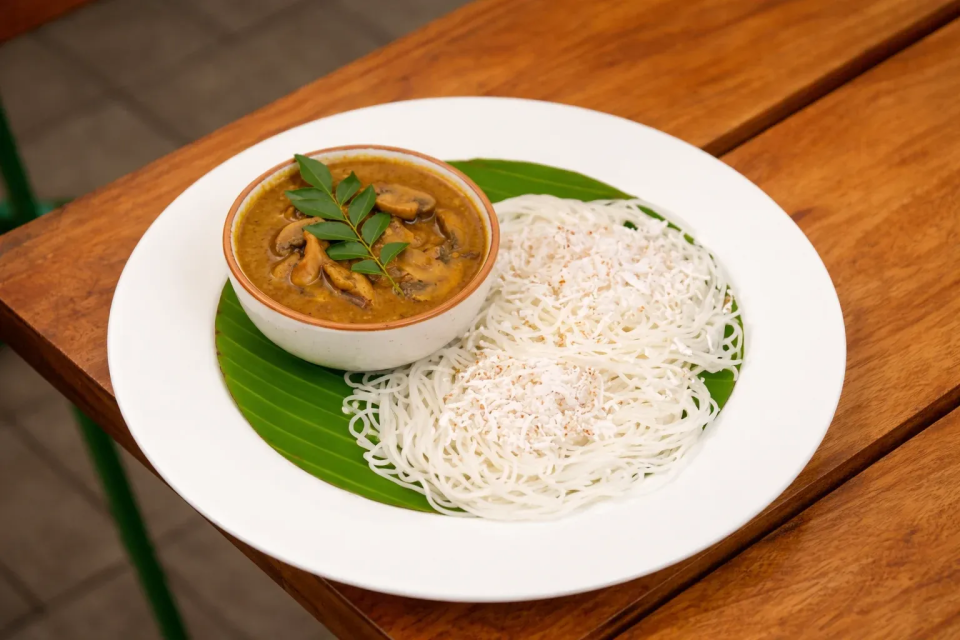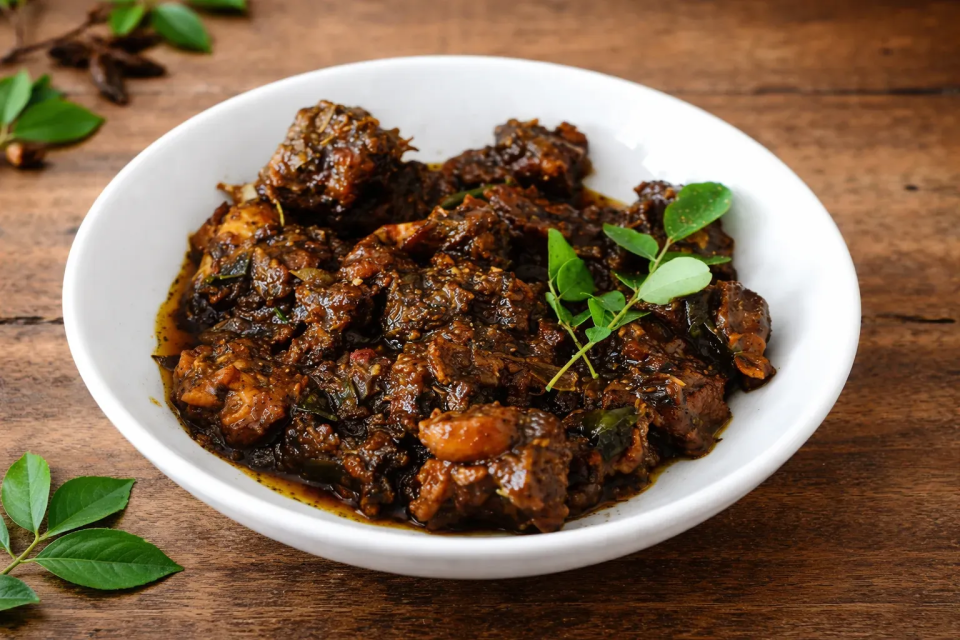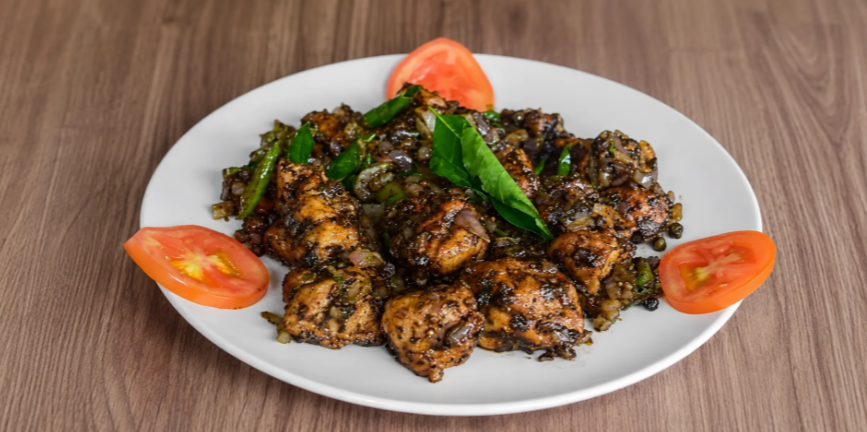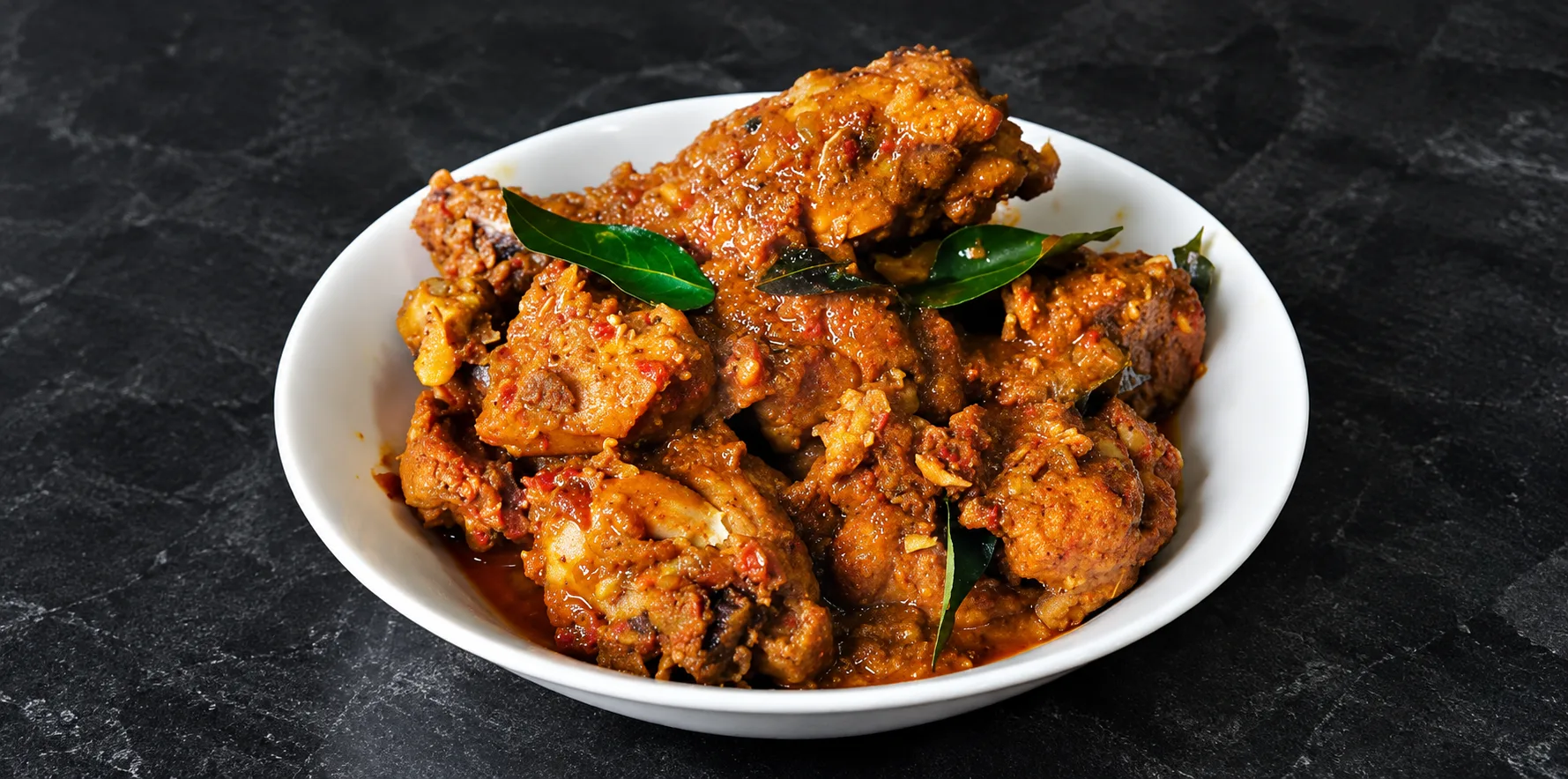
Tag: #SouthIndianFoodHouston

  • Nattu Kozhi Varuval Near Me in Houston: What Makes It Special? 

    Nattu Kozhi Varuval Near Me in Houston: What Makes It Special? 

    Indian chicken dishes are not defined by spice alone. The type of chicken, the way it is cooked, and the regional ingredients used in the preparation can completely change the final dish. For food lovers searching for Nattu Kozhi Varuval Near Me in Houston, this traditional country-chicken preparation offers an opportunity to explore the bold, rustic flavors associated with Tamil Nadu cuisine. 

    Nattu Kozhi, commonly understood as country chicken, is valued in traditional South Indian cooking for its distinctive texture and flavor. Varuval generally refers to a dry-fried or sautéed preparation in which spices cling closely to the meat rather than forming a large quantity of gravy. The result is a dish that can offer concentrated seasoning, savory aromas, and a satisfying texture. 

    Houston’s diverse Indian dining scene gives diners opportunities to discover regional specialties beyond familiar chicken curries. Understanding what makes Nattu Kozhi Varuval different can help you appreciate its preparation and choose complementary dishes for a complete South Indian meal. 

    Table of Contents 

    • What Makes Nattu Kozhi Varuval Special? 
    • How Is Nattu Kozhi Varuval Different From Regular Chicken Fry? 
    • What Ingredients Create Its Distinctive South Indian Flavor? 
    • Why Is Nattu Kozhi Varuval Popular Among Tamil Food Lovers? 
    • Exploring Country-Chicken Specialties at Thanjai Restaurant in Houston 
    • What Should You Eat With Nattu Kozhi Varuval? 
    • How Can First-Time Diners Enjoy Traditional Country Chicken? 
    • Frequently Asked Questions About Nattu Kozhi Varuval 
    • Discovering Rustic South Indian Flavors in Houston 

    What Makes Nattu Kozhi Varuval Special? 

    Nattu Kozhi Varuval is a traditional South Indian-style country-chicken preparation known for its concentrated spices and dry-fried texture. The chicken is typically cooked with aromatics such as onions, ginger, garlic, curry leaves, and regional spices. Unlike a gravy-based curry, varuval emphasizes a coating of seasoning that clings to the meat. 

    The appeal of this dish comes from the relationship between the chicken and its masala. Rather than being submerged in a thick sauce, the meat is cooked with seasonings until the flavors come together in a more concentrated preparation. 

    What Does Nattu Kozhi Mean? 

    In Tamil, nattu kozhi refers to country chicken. It is a familiar ingredient in traditional Tamil cooking, appearing in soups, curries, and fried preparations. 

    Country chicken may differ in texture from commercially raised broiler chicken, depending on the bird’s age, breed, and rearing conditions. Some preparations use longer cooking times to help achieve tenderness. 

    The term alone does not guarantee that a dish uses a particular breed or farming method, so diners interested in sourcing should confirm those details with the restaurant. 

    What Does Varuval Mean in South Indian Cooking? 

    Varuval commonly refers to a fried, roasted, or sautéed preparation in Tamil cuisine. Depending on the recipe, meat or vegetables are cooked with spices and aromatics until the mixture becomes relatively dry. 

    This technique helps concentrate the seasoning around the main ingredient. Curry leaves, black pepper, dried chilies, and sautéed onions can contribute layers of aroma and flavor. 

    The precise technique varies by cook and region, so not every varuval tastes the same. 

    How Is Nattu Kozhi Varuval Different From Regular Chicken Fry? 

    Nattu Kozhi Varuval differs from many everyday chicken-fry preparations through its emphasis on country chicken, regional seasoning, and the way the masala is cooked down. Some versions are relatively dry and peppery, while others feature a stronger chili flavor or a more pronounced onion-based coating. 

    The Difference Between Country Chicken and Regular Chicken 

    Country chicken may have a firmer texture and a more pronounced flavor than younger broiler chicken. Because these characteristics vary, the cooking method needs to suit the particular meat. 

    A traditional preparation may require additional time to soften the chicken while allowing the spices to develop. The goal is tender meat with seasoning that complements, rather than overwhelms, its natural flavor. 

    Dry Fry Versus Gravy-Based Curry 

    Understanding the difference between varuval and curry can help you choose a dish that suits your appetite. 

    • Nattu Kozhi Varuval: Typically features a relatively dry masala coating and concentrated seasoning. 
    • Nattu Kozhi Kuzhambu: Generally refers to a country-chicken curry served with gravy. 
    • Country-Chicken Soup: Uses broth as the central element, often with herbs and spices. 

    These are broad distinctions rather than fixed rules. Regional recipes and restaurant preparations may overlap. 

    What Ingredients Create Its Distinctive South Indian Flavor? 

    Traditional country-chicken fry preparations often combine aromatic ingredients with spices that contribute heat, earthiness, and savory depth. 

    Curry Leaves, Pepper, and Dried Chilies 

    Curry leaves are an important aromatic ingredient in many South Indian preparations. When added to hot oil, they release a distinctive herbal fragrance. 

    Black pepper brings a warm, sharp flavor, while dried chilies contribute heat. Coriander, cumin, turmeric, ginger, and garlic may also appear in the masala, depending on the recipe. 

    The objective is balance: the spices should create a flavorful coating without making the chicken taste one-dimensional. 

    Why the Cooking Technique Matters 

    The order in which ingredients are cooked can influence the result. Onions may be sautéed until softened or golden before the spices and chicken are added. The mixture is then cooked until the chicken is done and the masala reaches the desired consistency. 

    Cooking down excess moisture helps produce the relatively dry texture associated with varuval. However, the chicken must still be cooked thoroughly and remain suitable for eating. 

    This combination of ingredient preparation and heat control helps explain why two dishes with similar spices can taste quite different. 

    Why Is Nattu Kozhi Varuval Popular Among Tamil Food Lovers? 

    Nattu Kozhi Varuval appeals to diners who enjoy bold, savory dishes that showcase regional cooking techniques. Its relatively dry preparation also makes it easy to combine with rice, parotta, or other South Indian accompaniments. 

    A Dish Connected to Regional Food Traditions 

    Tamil cuisine includes a wide range of chicken preparations, from pepper-rich dry fries to coconut-based gravies and tamarind-forward curries. Each style creates a different relationship between the main ingredient and its seasoning. 

    Varuval highlights the masala itself, making the texture and concentration of the spices particularly important. 

    For diners exploring Tamil food for the first time, it offers a useful comparison with familiar dishes such as chicken curry or deep-fried chicken appetizers. 

    Why Texture Matters as Much as Spice 

    A good dry-fried chicken preparation should have a well-developed coating without becoming excessively dry or tough. The meat’s texture, the moisture remaining in the masala, and the balance of aromatics all contribute to the eating experience. 

    If you enjoy dishes with strong seasoning and little gravy, varuval-style preparations may be particularly appealing. 

    Exploring Country-Chicken Specialties at Thanjai Restaurant in Houston 

    For diners searching for South Indian chicken specialties in Houston, Thanjai Restaurant offers a menu featuring regional preparations inspired by Tamil and other South Indian culinary traditions. 

    The restaurant’s official online menu currently lists two related country-chicken dishes under its Thanjai Specials section: 

    • Naatu Kozhi Pichipotta Fry: Described as a village-style shredded country-chicken fry, slow-cooked with aromatic spices. 
    • Naatu Kozhi Pirattal: Described as a rustic country-chicken curry slow-cooked with aromatic spices.  

    These dishes provide relevant options for diners interested in country-chicken cooking, although they should not be assumed to be identical to Nattu Kozhi Varuval. 

    Important menu note: The online menu does not currently list a dish under the exact name Nattu Kozhi Varuval. If that specific preparation is what you want, contact the restaurant to confirm whether it is available before visiting. 

    Thanjai Restaurant is located at 1801 Dairy Ashford Road, Suite 104, Houston, TX 77077. You can explore the official Thanjai Restaurant menu to review its listed dishes and check availability.  

    What Should You Eat With Nattu Kozhi Varuval? 

    Nattu Kozhi Varuval pairs well with rice or Indian breads because these accompaniments complement the concentrated spice coating without competing with the chicken’s flavor. Rice provides a neutral base, while layered parotta offers a soft, flaky texture. The best pairing depends on how spicy and rich the preparation is. 

    Rice or Parotta: Which Should You Choose? 

    Consider these combinations when planning a South Indian-style meal: 

    • Steamed rice: A simple accompaniment that lets the chicken and its seasoning remain the focus. 
    • Malabar Parotta: Its layered texture works well with spicy meat preparations. 
    • Chapati: A straightforward option for diners who prefer a less rich bread. 
    • Biryani: A possible choice for a larger shared meal, although ordering two heavily seasoned mains may make the overall meal quite rich. 

    Thanjai Restaurant’s online menu lists Malabar Parotta, Chapati, and several biryanis among its available categories.  

    What Else Can You Order for a Shared Meal? 

    For a group, consider balancing a strongly seasoned chicken dish with a milder vegetarian curry or a simple rice accompaniment. This gives diners more variety without making every item equally spicy. 

    If you are unfamiliar with country chicken, ask about the preparation, bone-in or boneless format, and expected spice level before ordering. 

    How Can First-Time Diners Enjoy Traditional Country Chicken? 

    First-time diners can get more from a country-chicken dish by considering its preparation style, texture, and accompaniments instead of judging it only by spice intensity. 

    Practical Tips Before Ordering 

    • Ask whether the dish is dry-fried or served with gravy. 
    • Confirm whether the chicken is bone-in or boneless. 
    • Ask about the spice level if you prefer mild or moderately seasoned food. 
    • Choose rice or bread according to your preferred texture. 
    • Check current menu availability, particularly if you want a specific regional preparation. 

    These questions are useful when searching for an Indian restaurant near me in Houston, especially when a dish name may refer to different recipes across restaurants. 

    Frequently Asked Questions About Nattu Kozhi Varuval 

    What is Nattu Kozhi Varuval? 

    Nattu Kozhi Varuval is a South Indian-style country-chicken preparation generally cooked with aromatics and spices until the masala coats the meat. It is usually drier than a gravy-based curry. Recipes vary, but curry leaves, pepper, chilies, ginger, and garlic are common flavoring ingredients in regional chicken preparations. 

    Is Nattu Kozhi Varuval very spicy? 

    Nattu Kozhi Varuval can be moderately spicy or quite fiery, depending on the recipe. Black pepper and chilies may contribute heat, while onions and other aromatics add savory depth. If you prefer milder food, ask the restaurant about its preparation and whether the spice level can be adjusted. 

    What is the difference between Nattu Kozhi Varuval and Naatu Kozhi Pirattal? 

    Both names refer to country-chicken preparations, but they do not necessarily describe the same dish. Varuval generally emphasizes a dry-fried or sautéed masala coating, while pirattal often refers to a spiced preparation that may retain more moisture or sauce. Recipes vary by region and restaurant. 

    Where can I find country-chicken specialties in Houston? 

    Thanjai Restaurant in Houston lists Naatu Kozhi Pichipotta Fry and Naatu Kozhi Pirattal on its official menu. These are options to explore if you are interested in country-chicken dishes. The exact name Nattu Kozhi Varuval is not currently listed, so confirm availability directly if you want that specific preparation.  

    Discovering Rustic South Indian Flavors in Houston 

    Nattu Kozhi Varuval highlights the character of South Indian cooking through country chicken, aromatic spices, and a preparation style that concentrates flavor rather than relying on a large quantity of gravy. Its appeal comes from the balance of meat texture, seasoning, and cooking technique. 

    For diners exploring Nattu Kozhi Varuval Near Me in Houston, understanding the distinction between dry-fried country chicken and gravy-based preparations can help set expectations and guide ordering decisions. Thanjai Restaurant’s listed country-chicken specialties offer related options for exploring these regional flavors, while checking the current menu ensures that the dish you want is actually available. 
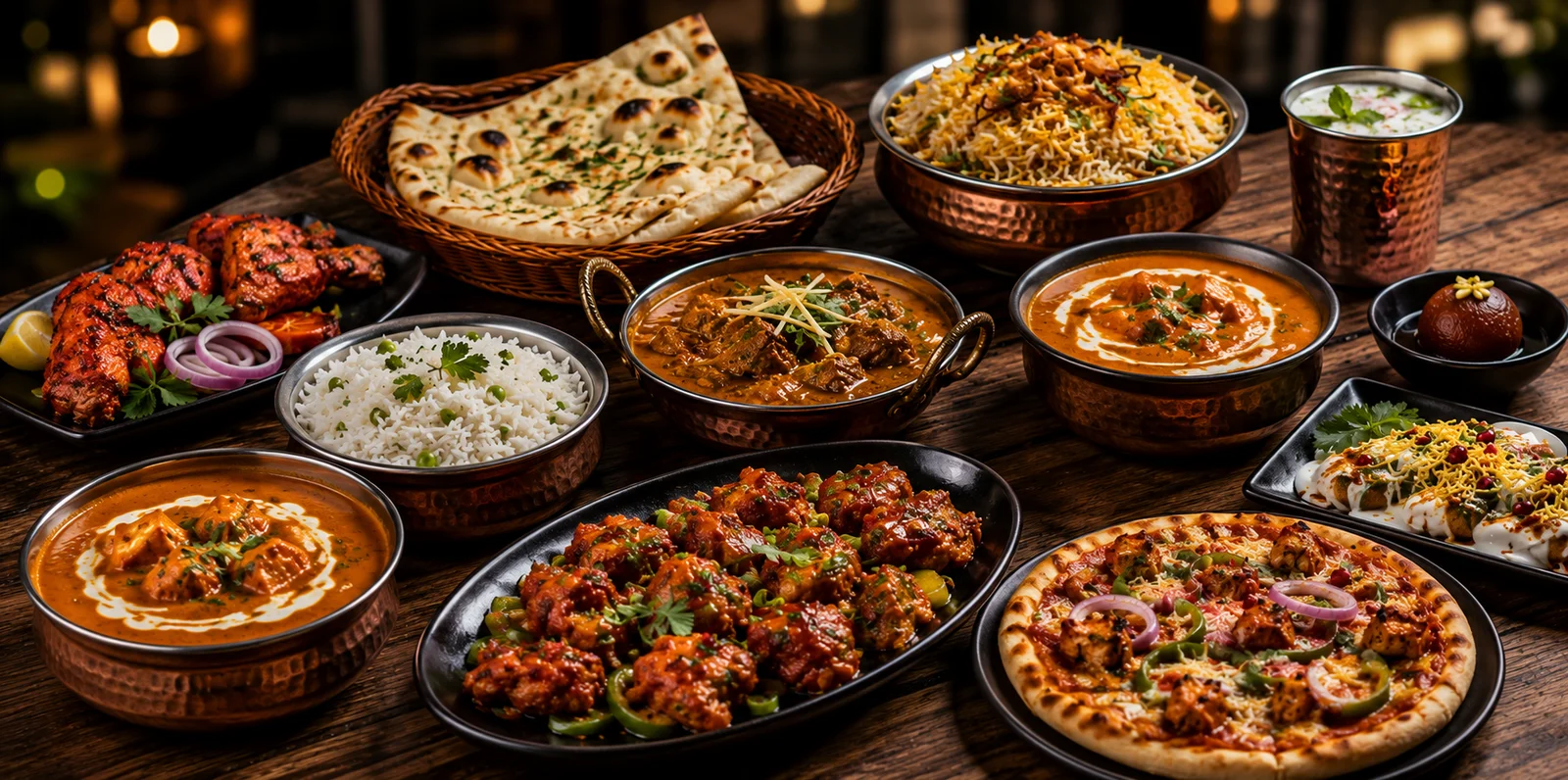
  • Must-Try Dishes at Thanjai Restaurant in Houston 

    Must-Try Dishes at Thanjai Restaurant in Houston 

    Exploring Indian cuisine becomes more interesting when you look beyond familiar curries and biryanis. Regional specialties can introduce you to different spice combinations, cooking techniques, textures, and food traditions that vary across India. For diners searching for the Must-Try Dishes at Thanjai Restaurant in Houston, understanding the menu makes it easier to choose dishes that match their tastes, whether they prefer vegetarian meals, spicy curries, seafood, or traditional South Indian breakfast favorites. 

    South Indian cuisine is particularly diverse, featuring fermented rice-and-lentil batters, coconut-based gravies, pepper-forward meat preparations, and tangy tamarind curries. These dishes offer distinct experiences even when they share familiar ingredients. 

    Thanjai Restaurant in Houston features a menu spanning South Indian specialties, biryanis, curries, appetizers, breads, desserts, and traditional beverages. Exploring these categories can help first-time diners discover regional flavors and make more informed ordering decisions. 

    Table of Contents 

    • What Are the Must-Try Dishes at Thanjai Restaurant in Houston? 
    • Which South Indian Specialties Should You Explore First? 
    • What Makes Thanjai’s Biryani Selection Worth Exploring? 
    • Which Curries Should Indian Food Lovers Consider? 
    • How Can You Build a Complete Indian Meal? 
    • What Makes Dining at Thanjai Restaurant Part of Houston’s Food Scene? 
    • Frequently Asked Questions About Thanjai Restaurant’s Menu 
    • Discovering Regional Indian Flavors in Houston 

    What Are the Must-Try Dishes at Thanjai Restaurant in Houston? 

    The must-try dishes at Thanjai Restaurant in Houston include options across its South Indian specials, dosai selection, biryanis, curries, seafood preparations, and beverages. Depending on your preferences, you might explore Chicken 65 Dry for a spicy starter, Thallapakattu Goat Biryani for a regional rice dish, or Madras Filter Coffee to finish your meal. 

    Chicken 65 Dry: A Spicy South Indian Starter 

    Chicken 65 Dry is an option for diners who enjoy bold seasoning and a crisp texture. Thanjai’s menu describes it as a deep-fried chicken preparation featuring South Indian spices and curry leaves. 

    The contrast between the crisp exterior, savory chicken, chili-forward seasoning, and herbal aroma makes it a practical choice for sharing before a main course. Pair it with a rice dish or curry if you want to build a more substantial meal. 

    Vegetarian diners can consider Paneer 65, which features fried paneer seasoned with a South Indian spice blend. 

    Maharaja Thali: A Meal With Variety 

    A thali brings several dishes together in one meal, allowing diners to experience contrasting flavors and textures rather than choosing only one preparation. Thanjai Restaurant lists Maharaja Thali among its Thanjai Specials, describing it as an assortment of traditional Indian dishes. 

    Because the online description does not specify the exact components, check with the restaurant about its current contents before ordering. A thali can be a useful choice for diners who enjoy variety or want to explore several elements of Indian cuisine in one sitting.  

    Which South Indian Specialties Should You Explore First? 

    South Indian cooking offers much more than dosa and idli. It includes steamed rice cakes, lentil-based snacks, rice preparations, meat curries, and dishes that combine fermentation with regional spices. 

    Idly and Masala Dosai for Familiar Comfort 

    Idly consists of soft, steamed rice cakes made using fermented batter. Fermentation helps develop the batter’s characteristic texture and flavor, while steaming keeps the finished cakes light and tender. 

    Masala Dosai offers a different experience. It is a thin, crisp crepe made from fermented rice-and-lentil batter and filled with spiced mashed potatoes. At Thanjai Restaurant, the menu describes it as being served with chutneys and sambar. 

    For first-time diners, these dishes offer a useful introduction to South Indian food traditions. Idly is a good choice if you prefer a softer texture, while Masala Dosai provides a crisp exterior and savory potato filling.  

    Chicken Kari Dosai for a Heartier Meal 

    Chicken Kari Dosai combines the familiar dosa format with a meat-based topping. Thanjai’s menu describes it as a crispy dosa topped with minced chicken curry. 

    This is worth considering if you want to explore a more substantial variation instead of ordering a plain or potato-filled dosa. It also illustrates how South Indian cooking adapts familiar staples into dishes with different ingredients and levels of richness. 

    What Makes Thanjai’s Biryani Selection Worth Exploring? 

    Biryani is a layered rice dish in which the choice of meat, spice blend, and cooking method influences the final flavor. Thanjai Restaurant’s menu includes several regional varieties, giving diners an opportunity to explore differences beyond the familiar chicken or vegetable options.  

    Thallapakattu Goat Biryani 

    Thallapakattu Goat Biryani is described on the restaurant’s menu as a Tamil-style biryani featuring goat meat and bold spices. It is an option for diners interested in regional Tamil food rather than a generic rice-and-curry combination. 

    Goat biryani typically offers a savory, spice-rich profile, with the meat contributing depth to the rice. Consider this option if you enjoy meat-based rice dishes and want to explore a preparation associated with Tamil Nadu. 

    Vijayawada Boneless Chicken Biryani 

    Vijayawada Boneless Chicken Biryani represents a different regional style. The restaurant describes it as a spicy Andhra-style biryani made with boneless chicken. 

    This can suit diners who prefer bold seasoning and the convenience of boneless meat. If you are sensitive to chili heat, ask about the current spice level before ordering. 

    Paneer Biryani for Vegetarian Diners 

    Paneer Biryani combines aromatic rice with soft paneer cubes and spices. It offers a vegetarian alternative for guests who want a substantial rice-based main course without meat. 

    For groups with different dietary preferences, comparing vegetarian and non-vegetarian biryani options can make it easier to choose dishes everyone can enjoy. 

    Which Curries Should Indian Food Lovers Consider? 

    Indian curries vary considerably in texture, aroma, and heat. Some rely on coconut for a fuller sauce, while others use roasted spices, herbs, or tamarind to develop their distinctive character. 

    Mutton Kurma for a Coconut-Based Gravy 

    Thanjai Restaurant describes Mutton Kurma as a mildly spiced, coconut-based mutton curry infused with fragrant herbs and spices. 

    The coconut-based gravy offers a different flavor profile from a curry built primarily around roasted spices or intense chili heat. It may appeal to diners who prefer a rounded, aromatic sauce with their meat. 

    Chettinad Chicken for Bold Spice 

    Chettinad Chicken is described on the menu as a fiery regional curry with bold, aromatic spices. Chettinad cooking is associated with complex spice blends, making this a dish to consider if you enjoy more pronounced seasoning. 

    Because the restaurant characterizes it as fiery, diners who prefer milder food should ask about the spice level before ordering. 

    Madurai Valameen Kuzhambu for Seafood Lovers 

    Seafood fans can explore Madurai Valameen Kuzhambu, which the menu describes as a Madurai-style fish curry with a tamarind base and bold flavors. 

    Tamarind contributes a distinctive tang that complements the savory flavor of fish. This makes the curry a different experience from coconut-based seafood preparations, such as the Kerala-style Malabar Fish Curry also listed on the menu.  

    How Can You Build a Complete Indian Meal? 

    A balanced restaurant meal does not need to include every category on the menu. Instead, choose a starter, a main dish, and an accompaniment that complement one another. 

    Pair Your Main Dish With the Right Bread or Rice 

    Consider these combinations: 

    • For curry lovers: Mutton Kurma with Malabar Parotta or naan. 
    • For biryani enthusiasts: Thallapakattu Goat Biryani as the main dish. 
    • For vegetarian diners: Masala Dosai with its traditional chutney and sambar accompaniments. 
    • For seafood fans: Madurai Valameen Kuzhambu with rice, if available as a suitable pairing. 
    • For groups: Share a starter such as Chicken 65 Dry or Paneer 65 before ordering individual mains. 

    These suggestions are based on the menu’s listed dishes; confirm current availability and serving options with the restaurant. 

    Finish With Madras Filter Coffee or Jigarthanda 

    Beverages and desserts are part of the broader South Indian dining experience. 

    Madras Filter Coffee is listed on Thanjai’s menu as a bold, frothy coffee served hot. Traditional South Indian filter coffee is generally prepared by allowing finely ground coffee to brew slowly through a metal filter, producing a concentrated decoction that is combined with hot milk according to the preparation style. 

    Jigarthanda offers a contrasting finish. This Madurai specialty is described on the menu as a cool drink made with milk, badam pisin, and nannari syrup. 

    Choose filter coffee if you prefer a warm, aromatic beverage, or consider Jigarthanda if you want something chilled and sweet.  

    What Makes Dining at Thanjai Restaurant Part of Houston’s Food Scene? 

    Houston’s varied dining landscape gives residents opportunities to explore regional Indian food alongside other international cuisines. Restaurants offering multiple regional styles can be especially useful for diners who want to move beyond familiar dishes and discover different ingredients and cooking traditions. 

    Thanjai Restaurant is located at 1801 Dairy Ashford Road, Suite 104, Houston, TX 77077. Its menu spans South Indian specialties, biryanis, meat and vegetarian curries, seafood, dosai, breads, desserts, and beverages.  

    For families, friends, and groups with different tastes, this range makes it possible to compare several styles of Indian cooking in one setting. First-time visitors may prefer beginning with a familiar dish and adding a regional specialty to broaden their experience. 

    Before visiting, review the Thanjai Restaurant menu and confirm the availability of any specific dish you want to try. 

    Frequently Asked Questions About Thanjai Restaurant’s Menu 

    What should first-time visitors try at Thanjai Restaurant in Houston? 

    First-time visitors can consider Masala Dosai for a classic South Indian dish, Chicken 65 Dry for a spicy starter, or Thallapakattu Goat Biryani for a regional rice specialty. Those who prefer vegetarian meals can explore Paneer Biryani. Your ideal choice depends on your spice preference, dietary requirements, and whether you prefer rice, bread, or fermented-batter dishes. 

    Does Thanjai Restaurant offer vegetarian dishes? 

    Yes. The online menu lists vegetarian options such as Paneer 65, Paneer Biryani, Veg Biryani, Masala Dosai, Idly, and Paneer Butter Masala. These options cover several categories, from starters to main courses. Diners with specific dietary requirements should confirm ingredients and preparation methods with the restaurant before ordering. 

    Which dishes are suitable for people who enjoy spicy Indian food? 

    Diners who enjoy pronounced heat can consider Chettinad Chicken, Vijayawada Boneless Chicken Biryani, or Guntur Karam Chicken, all listed on the restaurant’s menu. These dishes are associated with bold seasoning. Spice levels can vary by preparation, so ask the restaurant about the current version if you have a particular heat preference. 

    Where can I check the current Thanjai Restaurant Houston menu? 

    You can review the current dish listings on the official Thanjai Restaurant menu. The menu includes descriptions across several categories, helping you compare ingredients and regional styles before visiting. Since selections and availability may change, contact the restaurant directly if you are planning your visit around a particular specialty. 

    Discovering Regional Indian Flavors in Houston 

    Exploring the Must-Try Dishes at Thanjai Restaurant in Houston is an opportunity to discover how varied Indian cuisine can be. From fermented-batter staples and spice-forward biryanis to coconut-based curries, tangy seafood preparations, and traditional beverages, the menu offers different ways to experience regional cooking. 

    For diners who enjoy familiar favorites, there are approachable starting points. For adventurous food lovers, regional specialties offer a chance to discover new flavor combinations and culinary traditions. Choosing dishes according to your preferred spice level, texture, and ingredients can turn an ordinary meal into a more informed exploration of South Indian food in Houston. 

  • Best Mutton Kurma Near Me in Houston for Indian Food Lovers 

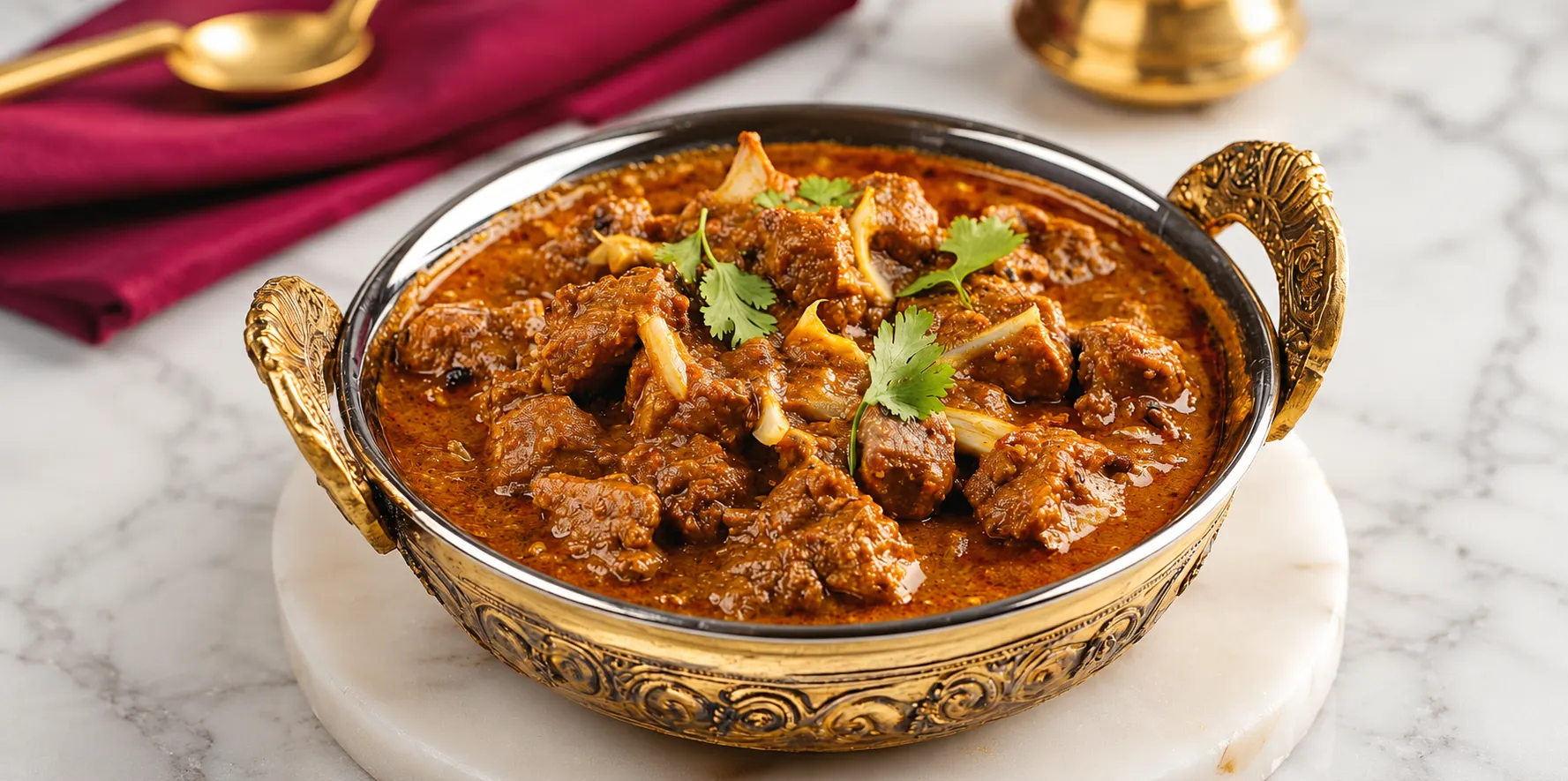
    Best Mutton Kurma Near Me in Houston for Indian Food Lovers 


    A memorable mutton curry depends on more than spice. The tenderness of the meat, the richness of the gravy, and the way herbs and spices work together all influence the final flavor. For diners searching for Best Mutton Kurma Near Me in Houston, understanding these details can help them discover a dish that offers both comforting texture and traditional South Indian character. 

    Mutton kurma is a flavorful Indian curry known for its aromatic seasoning and rich gravy. Depending on the regional recipe, it may feature coconut, yogurt, nuts, or a combination of spices that creates a distinctive sauce. In South Indian cooking, kurma variations often complement rice and breads, making the dish suitable for a satisfying lunch or dinner. 

    Houston’s diverse Indian food scene gives diners opportunities to explore regional curries beyond familiar chicken dishes. Knowing what distinguishes mutton kurma from other preparations makes that experience even more rewarding. 

    Table of Contents 

    • What Makes Mutton Kurma a Distinctive Indian Curry? 
    • Understanding the Search for the Best Mutton Kurma Near Me in Houston 
    • What Gives South Indian Mutton Kurma Its Signature Flavor? 
    • How Is Mutton Kurma Different From Other Mutton Curries? 
    • Exploring Mutton Kurma at Thanjai Restaurant in Houston 
    • What Should You Order With Mutton Kurma? 
    • Why Are Traditional Indian Curries Popular With Houston Diners? 
    • Frequently Asked Questions About Mutton Kurma 
    • A Traditional Mutton Curry in Houston’s Diverse Food Scene 

    What Makes Mutton Kurma a Distinctive Indian Curry? 

    Mutton kurma is an Indian curry made with mutton cooked in an aromatic, richly seasoned gravy. Depending on the regional style, the sauce may include coconut, spices, herbs, and other ingredients that contribute depth and texture. The result is a comforting meat dish that pairs well with rice or Indian breads. 

    Unlike dry meat preparations, mutton kurma brings together tender meat and a flavorful sauce. The gravy coats each piece, allowing the spices to complement the natural richness of the mutton. 

    The precise recipe varies across Indian regions. Some versions are creamy and gently spiced, while others have stronger aromatics or a more pronounced chili flavor. South Indian variations may use coconut and curry leaves to create a distinctive regional character. 

    Why Does Mutton Kurma Appeal to Indian Food Lovers? 

    Mutton kurma appeals to diners who enjoy substantial curries without necessarily wanting an extremely hot dish. A well-balanced version combines savory meat, fragrant spices, and a smooth gravy. 

    Three elements contribute to its appeal: 

    • Tender meat: Proper cooking helps mutton develop a softer texture. 
    • Aromatic gravy: Spices and herbs create depth without relying only on chili heat. 
    • Versatile pairings: The sauce works well with rice and breads that absorb its flavors. 

    For people exploring Indian cuisine for the first time, mutton kurma can be an interesting introduction to the variety of regional meat curries. 

    Understanding the Search for the Best Mutton Kurma Near Me in Houston 

    When diners search for Mutton Kurma Houston, they are often looking for a restaurant serving a traditional preparation rather than a generic meat curry. They may want to know how the gravy is made, whether the dish is very spicy, and what to order alongside it. 

    Houston diners have access to different Indian cooking traditions, including South Indian curries that emphasize coconut, curry leaves, black pepper, and regional spice blends. 

    When comparing restaurants, consider these practical factors: 

    • Whether mutton kurma appears on the current menu 
    • The style of gravy described by the restaurant 
    • Available rice and bread accompaniments 
    • Your preferred spice level 
    • Whether the dish is available during your intended meal 

    These details can help you choose a meal that matches your preferences rather than relying on a restaurant’s name or general cuisine description alone. 

    What Should Diners Look for in Authentic Mutton Kurma? 

    Authentic preparation is not defined by a single universal recipe. Instead, look for a recognizable regional style, a well-integrated gravy, and meat cooked until tender. 

    The sauce should complement the mutton rather than overwhelm it. Aromatic spices should contribute complexity, while ingredients such as coconut can add body and a subtle sweetness. Because recipes differ, asking about the restaurant’s preparation style is useful if you have a particular regional flavor in mind. 

    What Gives South Indian Mutton Kurma Its Signature Flavor? 

    South Indian mutton kurma develops its characteristic flavor through the combination of meat, aromatic spices, herbs, and, in many versions, coconut. Depending on the recipe, ingredients such as ginger, garlic, coriander, cumin, and curry leaves contribute fragrance and depth. Careful cooking allows the gravy and mutton to come together into a cohesive dish. 

    The Role of Coconut and Aromatic Spices 

    Coconut is an important ingredient in many South Indian curries. Depending on how it is prepared, it can give a sauce a fuller texture and a gently sweet, nutty character. 

    Spices serve different purposes. Coriander adds an earthy note, cumin contributes warmth, and ginger and garlic provide a savory foundation. Curry leaves bring a recognizable herbal aroma to many South Indian preparations. 

    Not every kurma uses the same ingredients in the same proportions. That variation is part of what makes exploring regional Indian curries interesting. 

    Why Cooking Technique Matters 

    Mutton generally benefits from sufficient cooking time to soften its connective tissue. The exact time depends on the cut, the size of the pieces, and the cooking method. 

    When meat is cooked properly in a seasoned gravy, it can absorb flavor while contributing its own richness to the sauce. Rushing the process may leave the meat tough or prevent the flavors from developing fully. 

    This combination of ingredient selection and technique helps distinguish a carefully prepared curry from a simple meat dish with added sauce. 

    How Is Mutton Kurma Different From Other Mutton Curries? 

    Mutton kurma differs from other mutton curries mainly in its gravy, spice balance, and regional preparation. Some kurmas use coconut or other ingredients to create a rounded sauce, while pepper-based and roasted-spice curries may emphasize stronger heat and a more intense flavor. 

    Understanding these differences helps diners choose according to their preferences. 

    Dish Typical flavor profile 
    Mutton Kurma Aromatic gravy, often coconut-based in South Indian versions 
    Chettinad Mutton Bold roasted spices and a pronounced peppery or chili flavor 
    Karaikudi Mutton Curry Deep, savory masala with a strong regional spice character 
    Mutton Nalli Masala Rich gravy prepared with goat marrow and aromatic spices 

    These dishes are listed in different curry categories on Thanjai Restaurant’s menu, providing diners with several styles to explore. 

    Which Mutton Curry Is Best for First-Time Visitors? 

    If you prefer a rich, aromatic gravy without automatically choosing the hottest option, mutton kurma may be a suitable starting point. If you enjoy more intense roasted spices, a Chettinad-style curry may be worth considering. 

    Spice levels vary by preparation, so ask the restaurant about the specific dish rather than assuming that every kurma is mild or every regional curry is extremely spicy. 

    Exploring Mutton Kurma at Thanjai Restaurant in Houston 

    For diners searching for Authentic Mutton Kurma Houston, Thanjai Restaurant offers a specific menu option worth exploring. 

    The restaurant’s online menu describes its Mutton Kurma as a mildly spiced, coconut-based mutton curry infused with fragrant herbs and spices. That description gives diners a useful indication of its intended flavor profile: a rounded, aromatic gravy rather than a preparation focused entirely on intense heat.  

    Located at 1801 Dairy Ashford Road, Suite 104, Houston, TX 77077, Thanjai Restaurant features South Indian dishes alongside a range of curries, rice preparations, breads, and regional specialties.  

    For someone exploring Indian food near them in Houston, the menu provides a way to compare mutton kurma with other preparations, including Chettinad Mutton and KaraiKudi Mutton Curry. 

    You can review the restaurants official menu to check the available dishes before visiting. Menu availability can change, so confirming the dish before your meal is sensible. 

    What Should You Order With Mutton Kurma? 

    Mutton kurma pairs well with steamed rice or Indian breads because these accompaniments absorb the gravy and balance the richness of the meat. Rice offers a simple base that lets the curry’s flavors stand out, while bread provides a different texture and a convenient way to enjoy the sauce. 

    Rice or Bread: Which Is the Better Pairing? 

    Both options work, depending on your preference. 

    • Rice: A straightforward choice when you want the gravy and its spices to remain the focus. 
    • Malabar Parotta: Its soft, layered texture makes it suitable for scooping up a rich curry. 
    • Naan: A familiar option for diners who prefer a soft, substantial bread. 
    • Chapati: A simpler accompaniment if you want something less rich than a layered parotta. 

    These bread options appear on Thanjai Restaurant’s online menu. 

    Tips for Ordering a Complete Indian Meal 

    For a balanced lunch or dinner, consider ordering mutton kurma with one main accompaniment rather than adding several rich dishes. If you’re dining with family or friends, sharing another curry or a vegetable side can introduce more variety. 

    If you prefer mild food, ask about the spice level before ordering. If you’re unfamiliar with mutton, you can also ask about the cut and how the dish is prepared. 

    Why Are Traditional Indian Curries Popular With Houston Diners? 

    Houston’s diverse restaurant scene gives diners opportunities to explore Indian regional cooking, from coconut-based South Indian gravies to robust roasted-spice curries. These dishes offer different ways to experience the relationship between ingredients, cooking techniques, and regional food traditions. 

    A Meal for Families and Groups 

    Curries are practical choices for shared meals because they can be paired with rice and different breads. Families can choose dishes with contrasting spice profiles, while groups can explore multiple preparations without everyone ordering the same meal. 

    For Indian food lovers, trying a regional dish such as mutton kurma can also be a way to move beyond familiar menu choices and discover a different style of curry. 

    Frequently Asked Questions About Mutton Kurma 

    What is mutton kurma made of? 

    Mutton kurma is prepared with mutton, spices, herbs, and a gravy whose ingredients vary by region. Some versions use coconut, while others may include yogurt, nuts, or other ingredients for richness. At Thanjai Restaurant, the online menu describes its mutton kurma as a mildly spiced, coconut-based curry with fragrant herbs and spices. 

    Is mutton kurma very spicy? 

    Mutton kurma is not necessarily very spicy. Some versions emphasize aromatic spices and a rounded gravy rather than intense chili heat. Thanjai Restaurant describes its version as mildly spiced, although individual preferences vary. If you are sensitive to heat, confirm the current preparation and whether the spice level can be adjusted. 

    What should I eat with mutton kurma? 

    Mutton kurma pairs well with steamed rice and Indian breads. Rice lets the gravy soak into each bite, while Malabar Parotta or naan offers a soft texture that complements the sauce. Choose the accompaniment based on your appetite and whether you prefer a rice-based meal or a bread-and-curry combination. 

    Where can I find mutton kurma in Houston? 

    Thanjai Restaurant in Houston lists mutton kurma on its online menu. Its description identifies the dish as a mildly spiced, coconut-based curry. You can check the restaurant’s menu before visiting to confirm current availability and explore suitable accompaniments. 

    A Traditional Mutton Curry in Houston’s Diverse Food Scene 

    Mutton kurma brings together tender meat, aromatic spices, and a richly textured gravy in a dish that reflects the variety of Indian curry traditions. Its appeal lies in its balance: the sauce adds depth without needing to make intense heat the main feature. 

    For diners searching for the Best Mutton Kurma Near Me in Houston, understanding the regional style, checking the current menu, and choosing a suitable rice or bread pairing can make the meal more rewarding. Thanjai Restaurant’s coconut-based version offers one option for people interested in exploring South Indian flavors within Houston’s diverse Indian dining scene. 

  • Non-Veg Thali Near Me in Houston TX: What to Expect 

    Non-Veg Thali Near Me in Houston TX: What to Expect 

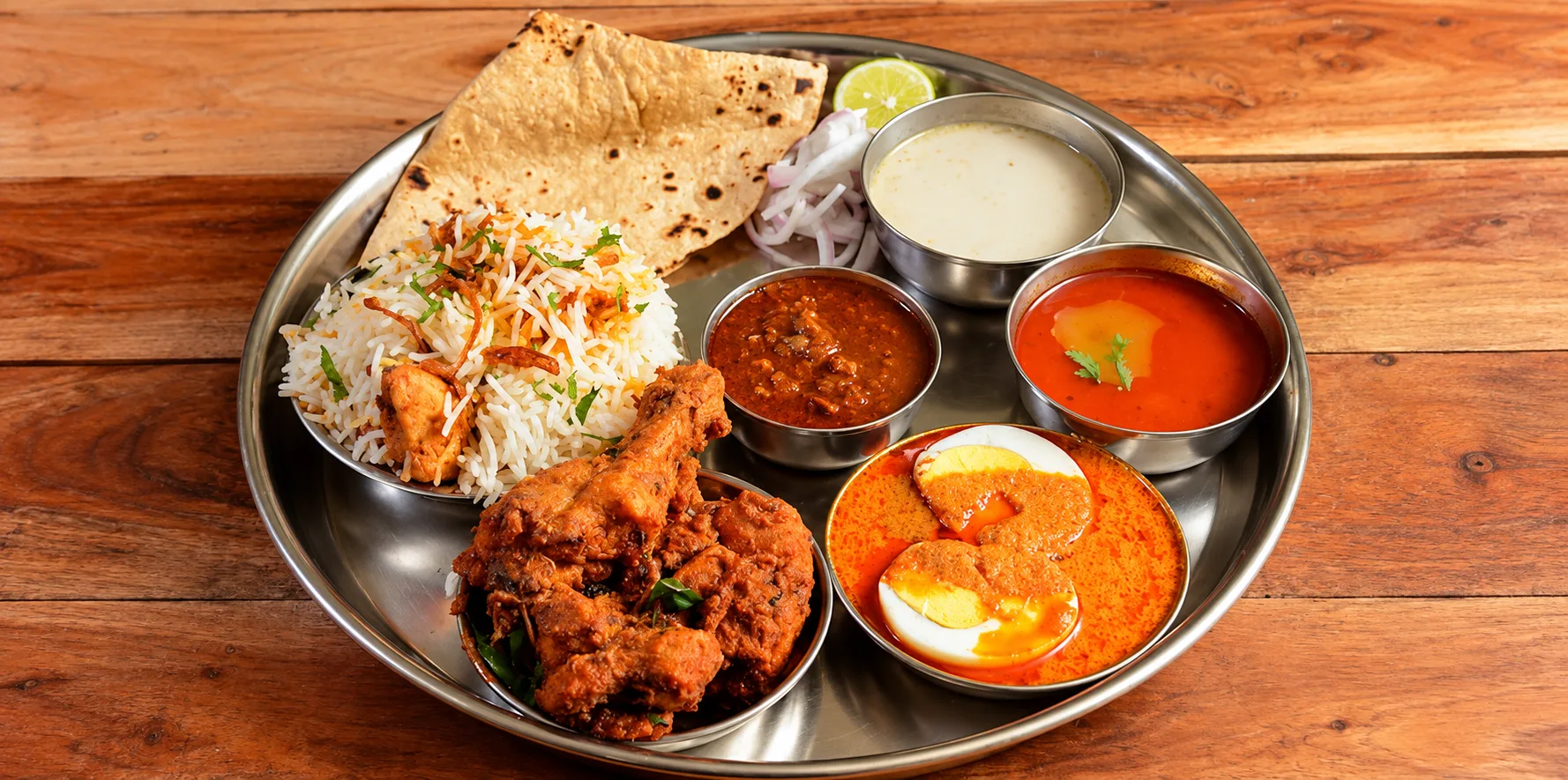
    Many diners searching for Non-Veg Thali Near Me in Houston, TX are looking for more than just a plate of food. They are searching for a complete Indian dining experience that brings together multiple flavors, textures, and traditional dishes in one carefully arranged meal. A thali represents the idea of balance combining rice, curries, sides, breads, and desserts to create a satisfying journey through regional cuisine. 

    Unlike ordering individual dishes, a traditional thali allows diners to explore different preparations in one sitting. For Houston food lovers interested in Indian cuisine, a non-vegetarian thali offers an opportunity to experience how spices, proteins, and regional cooking methods come together in a complete meal. 

    Table of Contents 

    • Understanding Why People Search for Non-Veg Thali Near Me in Houston TX 
    • What Makes a Non-Veg Thali Different From Regular Indian Meals? 
    • What Is Included in a Traditional Non-Veg Thali? 
    • The Cultural Story Behind Indian Thali Traditions 
    • Why South Indian Non-Veg Thali Is Special 
    • Exploring Non-Veg Thali at Thanjai Restaurant in Houston 
    • What Should First-Time Visitors Expect From a Non-Veg Thali? 
    • Why Are Indian Thali Meals Popular in Houston? 
    • Frequently Asked Questions About Non-Veg Thali 

    Understanding Why People Search for Non-Veg Thali Near Me in Houston TX 

    When people search for Non-Veg Thali Houston, they are often looking for variety, authenticity, and a meal that represents traditional Indian dining culture. A thali is designed to provide a complete experience rather than focusing on only one dish. 

    Diners searching for a Non-Vegetarian Thali Houston TX experience usually want to know: 

    • What dishes are included? 
    • How is the meal served? 
    • Which regional style does it represent? 
    • Is it suitable for family dining? 
    • Does it offer good variety? 

    Houston’s diverse food culture has created more interest in regional Indian meals, especially among diners who want to explore traditional cuisine beyond familiar dishes. 

    What Diners Expect From a Traditional Thali Meal 

    A traditional thali usually offers a combination of: 

    • Rice preparation 
    • Curry or gravy-based dishes 
    • Protein-based specialties 
    • Vegetables 
    • Pickles and chutneys 
    • Bread varieties 
    • Dessert or sweet dishes 

    The arrangement may vary depending on the region, but the idea remains the same: creating a balanced meal with different flavors. 

    Why Complete Indian Meal Experiences Are Becoming Popular 

    Many diners are interested in meals that tell a cultural story. A thali provides this by introducing multiple dishes at once. 

    Instead of choosing only one curry, guests can experience: 

    • Spicy flavors 
    • Mild accompaniments 
    • Different textures 
    • Traditional side dishes 

    This makes thali meals popular for families, groups, and first-time visitors exploring Indian cuisine. 

    What Makes a Non-Veg Thali Different From Regular Indian Meals? 

    A non-veg thali is different from regular Indian meals because it combines several dishes into one complete platter, including rice, curries, sides, and meat-based specialties. It allows diners to experience multiple flavors and regional cooking styles together rather than ordering individual dishes separately. 

    The concept of a thali is built around balance. Each item plays a role in the meal. 

    A spicy curry may be balanced with cooling yogurt-based sides, while rice helps bring all the flavors together. 

    The Concept Behind the Traditional Thali Plate 

    The word “thali” refers to the metal plate traditionally used to serve a variety of dishes. Over time, the term became associated with the complete meal format. 

    Different regions developed their own versions: 

    • South Indian thali 
    • North Indian thali 
    • Coastal seafood thali 
    • Regional vegetarian and non-vegetarian variations 

    How Multiple Flavors Come Together in One Meal 

    A well-designed thali creates contrast: 

    • Rich curries with simple rice 
    • Spicy dishes with mild sides 
    • Crispy items with soft textures 
    • Savory dishes with sweet finishes 

    This balance is one reason thali meals remain popular across India and among Indian food lovers worldwide. 

    What Is Included in a Traditional Non-Veg Thali? 

    Traditional non-veg thali usually includes rice, meat-based curries, side dishes, vegetables, accompaniments, and sometimes desserts. The exact items depend on the regional style, but the goal is to provide a complete meal showcasing different flavors and cooking techniques in one serving. 

    Rice, Curries, Sides, and Protein-Based Dishes 

    A typical non-vegetarian thali may include: 

    • Steamed rice or flavored rice 
    • Chicken curry 
    • Mutton curry 
    • Egg-based dishes 
    • Seafood preparations in coastal regions 
    • Lentil dishes 
    • Vegetable sides 
    • Pickles and chutneys 

    The combination creates a meal where every component contributes to a different flavor. 

    Regional Differences in Non-Vegetarian Thali Meals 

    Indian thalis vary widely depending on geography. 

    A South Indian non-veg thali often highlights: 

    • Rice as the foundation 
    • Spiced curries 
    • Pepper-based preparations 
    • Tamarind flavors 
    • Curry leaves and regional spices 

    A North Indian thali may include: 

    • Wheat-based breads 
    • Rich gravies 
    • Cream-based preparations 
    • Tandoori influences 

    The Cultural Story Behind Indian Thali Traditions 

    The thali represents Indian hospitality and the tradition of serving a complete meal with variety. 

    How Thali Represents Indian Hospitality 

    In many Indian households, serving guests a variety of dishes is considered a gesture of care. The thali format reflects this idea by bringing multiple preparations together. 

    A single plate can represent: 

    • Regional ingredients 
    • Family recipes 
    • Seasonal cooking 
    • Traditional techniques 

    Difference Between South Indian and North Indian Thali Styles 

    South Indian thalis often emphasize rice-based meals with: 

    • Sambar 
    • Rasam 
    • Regional curries 
    • Rice varieties 
    • Coconut-based flavors 

    North Indian thalis often feature: 

    • Rotis or naan 
    • Rich gravies 
    • Dairy-based dishes 
    • Tandoori specialties 

    Both styles showcase different approaches to Indian cuisine. 

    Why South Indian Non-Veg Thali Is Special 

    South Indian non-veg thali is special because it combines regional spices, rice-based meals, and protein dishes influenced by coastal and traditional cooking styles. It highlights ingredients such as curry leaves, pepper, chilies, tamarind, and aromatic spices that create distinctive flavors. 

    The Role of Spices, Rice, and Regional Cooking Methods 

    South Indian cooking focuses on building flavor through carefully balanced spices. 

    Common ingredients include: 

    • Mustard seeds 
    • Curry leaves 
    • Black pepper 
    • Turmeric 
    • Coriander 
    • Chili 

    Rice serves as an important foundation, allowing diners to enjoy different curries and accompaniments together. 

    Chicken, Mutton, and Seafood Traditions in South Indian Cuisine 

    South Indian cuisine includes a wide range of non-vegetarian specialties. 

    Popular protein choices include: 

    • Chicken preparations with regional spice blends 
    • Slow-cooked mutton curries 
    • Coastal seafood dishes 

    These traditions continue to influence Indian restaurants around the world. 

    Exploring Non-Veg Thali at Thanjai Restaurant in Houston 

    For diners exploring Authentic Indian Thali Houston options, Thanjai Restaurant offers a way to experience Indian meal traditions through regional flavors and traditional preparations. 

    Located in Houston, Texas, Thanjai Restaurant features dishes inspired by South Indian cuisine. A non-veg thali represents the idea of bringing different flavors together in one meal, allowing guests to explore multiple dishes during a single dining experience. 

    For those searching for Indian Food Near Me Houston, a thali meal can be a practical choice for discovering different Indian flavors without ordering several separate dishes. 

    It can be enjoyed during lunch outings, family gatherings, and occasions where diners want variety. 

    What Should First-Time Visitors Expect From a Non-Veg Thali? 

    First-time visitors trying a non-veg thali should expect a complete meal featuring multiple dishes served together. The experience usually includes different textures, spice levels, and flavors, allowing diners to understand how Indian cuisine balances variety within one traditional meal format. 

    Best Choices for First-Time Thali Diners 

    First-time guests may enjoy exploring: 

    • Chicken-based thalis for a familiar introduction 
    • Mutton-based options for richer flavors 
    • Rice-focused combinations for traditional South Indian dining 

    Pairing Options for a Complete Indian Meal 

    A thali can be complemented with: 

    • South Indian beverages 
    • Additional breads 
    • Traditional desserts 
    • Shared appetizers 

    Why Are Indian Thali Meals Popular in Houston? 

    Indian thali meals are popular in Houston because they provide variety, cultural connection, and a complete dining experience. They allow diners to explore multiple Indian dishes together, making them suitable for families, groups, and guests discovering regional cuisine. 

    Family Dining and Community Food Culture 

    A thali naturally supports sharing and exploration, making it a popular choice for family dining. 

    Families often enjoy thali meals during: 

    • Weekend outings 
    • Celebrations 
    • Community gatherings 
    • Casual restaurant visits 

    Weekend Meals, Celebrations, and Group Dining 

    Houston diners often look for meals that offer variety and value. A traditional thali provides different dishes in one experience, making it appealing for groups with different preferences. 

    Frequently Asked Questions About Non-Veg Thali 

    What dishes are usually included in a non-veg thali? 

    A non-veg thali usually includes rice, meat-based curries, vegetables, sides, pickles, and accompaniments. Depending on the regional style, it may feature chicken, mutton, seafood, or egg preparations along with traditional Indian flavors. 

    Is a South Indian non-veg thali spicy? 

    South Indian non-veg thalis often include bold spices, but the spice level depends on the specific dishes included. Traditional preparations focus on balancing heat with aromatic spices, tangy flavors, and other accompaniments. 

    What is the difference between chicken thali and mutton thali? 

    A chicken thali usually offers lighter, tender meat preparations with aromatic spices, while a mutton thali often features deeper flavors from slow cooking. Both provide different experiences based on texture, richness, and regional preparation styles. 

    Where can I find an authentic non-veg thali in Houston TX? 

    Diners looking for authentic non-veg thali in Houston can explore Indian restaurants that focus on traditional regional cuisine. Restaurants like Thanjai Restaurant provide opportunities to experience Indian meal traditions through a variety of dishes served together. 

    A Complete Indian Meal Experience Finding Its Place in Houston’s Food Culture 

    A non-veg thali represents the diversity of Indian cuisine by bringing multiple flavors, ingredients, and traditions together in one meal. It allows diners to experience the balance between spices, textures, and regional cooking styles in a way that individual dishes may not always provide. 

    For those searching for Non-Veg Thali Near Me in Houston, TX, exploring the tradition behind the meal adds another layer of appreciation. As Houston continues to embrace global food cultures, thali meals remain a meaningful way to discover the variety and richness of Indian culinary traditions.

  • Best Fish Curry Near Me in Houston for Seafood Lovers 

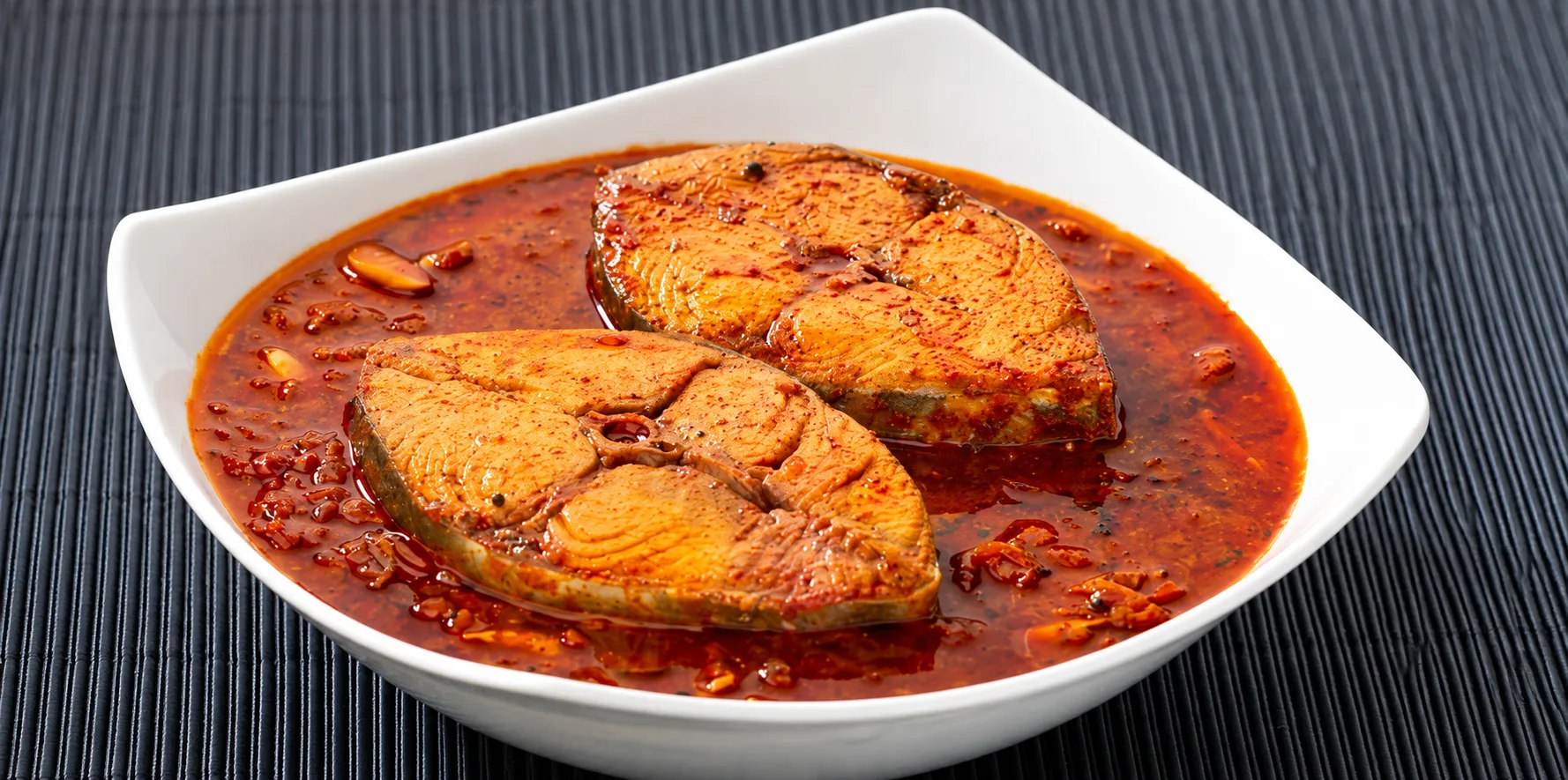
    Best Fish Curry Near Me in Houston for Seafood Lovers 

    Finding an authentic seafood dish outside its traditional region can be challenging. Many diners searching for Best Fish Curry Near Me in Houston are not simply looking for a seafood meal they are looking for the right balance of freshness, spices, cooking techniques, and cultural authenticity. A well-prepared fish curry represents more than a recipe; it reflects coastal traditions, regional ingredients, and generations of culinary knowledge. 

    Houston’s diverse food scene has introduced diners to seafood preparations from different parts of the world, including Indian coastal cuisines where fish curry holds a special place. Understanding what makes traditional fish curry unique can help seafood lovers make better dining choices and appreciate the flavors behind every dish. 

    Table of Contents 

    • What Makes Indian Fish Curry Different From Other Seafood Dishes?  
    • Understanding the Search for Fish Curry in Houston  
    • The Regional Traditions Behind Traditional Fish Curry  
    • What Makes South Indian Fish Curry Unique?  
    • Ingredients That Create Authentic Fish Curry Flavors  
    • Exploring Fish Curry at Thanjai Restaurant in Houston  
    • What Should First-Time Visitors Order With Fish Curry?  
    • Why Coastal Indian Seafood Is Gaining Popularity in Houston  
    • Frequently Asked Questions About Fish Curry  

    What Makes Indian Fish Curry Different From Other Seafood Dishes? 

    Indian fish curry is unique because it combines fresh seafood with regional spices, aromatic herbs, and traditional cooking methods that vary across different parts of India. Unlike many seafood dishes focused mainly on seasoning, Indian fish curry builds layers of flavor using ingredients like curry leaves, tamarind, coconut, and freshly ground spices. 

    The character of Indian fish curry comes from its regional diversity. Coastal communities in India have developed seafood recipes based on local ingredients, climate, and cultural influences. 

    For example: 

    • South Indian fish curries often include tamarind, coconut, curry leaves, and bold spices.  
    • Coastal Kerala-style curries may highlight coconut milk and gentle spice blends.  
    • Andhra-style seafood preparations are known for stronger spice profiles and tangy flavors.  
    • Tamil coastal recipes often balance sourness, heat, and aromatic spices.  

    This variety makes fish curry an exciting choice for seafood lovers who want something beyond standard fried or grilled seafood options. 

    Understanding the Search for Fish Curry in Houston 

    When people search for Fish Curry Houston, they are usually looking for a restaurant that provides: 

    • Freshly prepared seafood  
    • Authentic Indian flavors  
    • Traditional cooking methods  
    • A comfortable dining environment  
    • Options suitable for families and groups  

    Many diners are also searching for an Indian Seafood Restaurant Houston experience where seafood is prepared with cultural authenticity rather than simply adding Indian spices to regular seafood dishes. 

    The decision often depends on understanding the difference between fresh seafood preparation and traditional regional recipes. A good fish curry should allow the natural flavor of the fish to complement the spices rather than overpower it. 

    The Regional Traditions Behind Traditional Fish Curry 

    Fish curry has a long history in Indian coastal communities where seafood was an important part of daily meals. Fishing communities developed recipes that preserved freshness and enhanced flavor using locally available ingredients. 

    One interesting aspect of traditional fish curry is the use of souring ingredients. 

    Tamarind-Based Curries 

    In many South Indian regions, tamarind provides a tangy flavor that balances spices and richness. The sour notes help create a deeper taste while complementing the natural sweetness of fish. 

    Coconut-Based Curries 

    Some coastal regions use coconut milk or grated coconut to create a smoother texture. Coconut adds richness while reducing the intensity of spices. 

    Spice Blends 

    Traditional fish curry often uses freshly prepared spice combinations rather than ready-made seasoning mixes. Ingredients such as coriander, cumin, chili, turmeric, and black pepper contribute layers of aroma and flavor. 

    These techniques are part of what makes Authentic Fish Curry Houston experiences different from ordinary seafood dishes. 

    What Makes South Indian Fish Curry Unique? 

    South Indian fish curry is known for its bold flavors, aromatic spices, tangy ingredients, and regional cooking styles influenced by coastal communities. It often combines fresh fish with ingredients like tamarind, curry leaves, coconut, and traditional spice blends to create a flavorful curry served with rice or other South Indian dishes. 

    The cooking process usually begins with tempering spices in oil to release their aroma. Curry leaves, mustard seeds, onions, garlic, ginger, and spices are carefully cooked before adding the fish. 

    The result is a curry with multiple layers: 

    • Tangy flavors from tamarind  
    • Warm spice notes  
    • Fresh herbal aroma from curry leaves  
    • Tender fish pieces infused with the curry base  

    This balance between seafood and spices is why South Indian Fish Curry Houston options are popular among diners looking for regional Indian cuisine. 

    Ingredients That Create Authentic Fish Curry Flavors 

    A memorable fish curry depends on the quality and balance of ingredients. 

    Fresh Seafood 

    Fresh fish provides a delicate texture and natural flavor. The goal is to create a curry where the seafood remains tender while absorbing the surrounding spices. 

    Curry Leaves 

    Curry leaves add a distinct South Indian aroma that cannot easily be replaced. They contribute freshness and depth to the dish. 

    Regional Spices 

    Traditional spice combinations create complexity without hiding the seafood flavor. Common ingredients include turmeric, chili powder, coriander, cumin, and pepper. 

    Rice Pairings 

    Fish curry is commonly enjoyed with steamed rice because the rice absorbs the flavorful curry base. Some diners also enjoy seafood curries with traditional South Indian meals. 

    Exploring Fish Curry at Thanjai Restaurant in Houston 

    For diners exploring Indian Fish Curry Houston, Thanjai Restaurant provides an opportunity to experience South Indian culinary traditions in Houston. 

    The restaurant’s menu focuses on regional Indian flavors, offering dishes inspired by traditional preparation styles. Fish curry fits naturally into this cuisine because seafood has always been an important part of South Indian coastal food culture. 

    Guests looking for a Seafood Restaurant Near Me Houston option can explore seafood dishes alongside other South Indian favorites, making it suitable for individual meals, family dining, and group gatherings. 

    The combination of traditional recipes and regional flavors allows diners to experience how seafood is prepared within South Indian cuisine. 

    What Should First-Time Visitors Order With Fish Curry? 

    For guests trying fish curry for the first time, choosing the right combinations can create a more complete dining experience. 

    Fish Curry With Rice 

    This is the classic pairing. The rice balances the spices and allows diners to enjoy the curry’s texture and flavors. 

    South Indian Breakfast Favorites 

    For those exploring beyond seafood, dishes such as dosa, idli, and vada provide a different introduction to South Indian cooking traditions. 

    Spice Lovers 

    Guests who enjoy bold flavors may prefer curries with stronger chili and spice profiles. Traditional South Indian seafood dishes often provide deeper spice complexity compared to milder seafood preparations. 

    Family Dining Choices 

    Families visiting a Family Restaurant Houston location often prefer ordering multiple dishes to share. Combining seafood options with vegetarian dishes creates variety for different preferences. 

    Why Is Coastal Indian Seafood Becoming Popular in Houston? 

    Coastal Indian seafood is becoming popular in Houston because diners are increasingly interested in regional cuisines, authentic preparation methods, and diverse seafood experiences beyond common dishes. Indian coastal cuisine offers unique flavors through traditional spices, fresh ingredients, and culturally significant recipes. 

    Houston’s multicultural dining environment has created interest in regional food experiences. Seafood lovers are exploring dishes that represent specific culinary traditions rather than generic seafood menus. 

    Indian seafood dishes provide variety through: 

    • Different regional curry styles  
    • Traditional spice combinations  
    • Rice-based meal pairings  
    • Family-style dining options  

    This makes coastal Indian seafood appealing for both Indian food enthusiasts and diners discovering new cuisines. 

    What Is the Difference Between Regular Seafood and Coastal Indian Seafood? 

    Coastal Indian seafood focuses on enhancing seafood through regional cooking methods. Instead of relying mainly on grilling, frying, or simple seasoning, Indian coastal cuisine builds flavor through slow cooking, spice layering, and traditional ingredients. 

    The difference comes from technique. The seafood remains the main ingredient, while the curry or spice base adds complexity. 

    This approach creates dishes where every ingredient contributes to the final flavor profile. 

    Frequently Asked Questions About Fish Curry 

    What makes South Indian fish curry different from other seafood dishes? 

    South Indian fish curry is different because it combines fresh seafood with regional spices, tamarind, curry leaves, and traditional cooking techniques. The balance of tangy, spicy, and aromatic flavors allows the natural taste of fish to shine while creating a rich curry base that reflects coastal Indian culinary traditions. 

    Which dishes pair well with fish curry? 

    Fish curry is traditionally enjoyed with steamed rice because the rice absorbs the flavorful curry sauce and balances the spices. It also pairs well with other South Indian dishes, depending on the regional style. Guests can explore combinations with dosa, traditional meals, and other seafood or vegetarian dishes for a complete dining experience. 

    Is fish curry a good choice for family dining? 

    Yes, fish curry can be a great option for family dining because it offers a flavorful seafood choice that can be shared with different dishes. Families in Houston often enjoy ordering a variety of items, including seafood specialties, vegetarian dishes, rice preparations, and South Indian favorites for a balanced meal. 

    Where can seafood lovers find authentic fish curry in Houston? 

    Seafood lovers looking for authentic fish curry in Houston can explore Indian restaurants that focus on traditional regional cooking methods. Places like Thanjai Restaurant offer South Indian flavors where seafood dishes are prepared as part of a broader dining experience featuring classic Indian cuisine. 

    A Coastal Indian Seafood Experience in Houston’s Diverse Food Scene 

    Fish curry represents more than a seafood dish it reflects regional traditions, coastal communities, and generations of cooking knowledge. The combination of fresh seafood, aromatic spices, and traditional preparation methods creates a dining experience that connects diners with the rich culinary heritage of South India. 

    For seafood lovers exploring the Best Fish Curry Near Me in Houston, understanding the cultural background and regional differences behind the dish helps create a more meaningful experience. Restaurants like Thanjai Restaurant bring these traditional flavors to Houston, offering diners an opportunity to explore authentic Indian seafood while discovering the diversity of South Indian cuisine 

  • Best South Indian Breakfast in Houston Dosa, Idli, Vada & More 

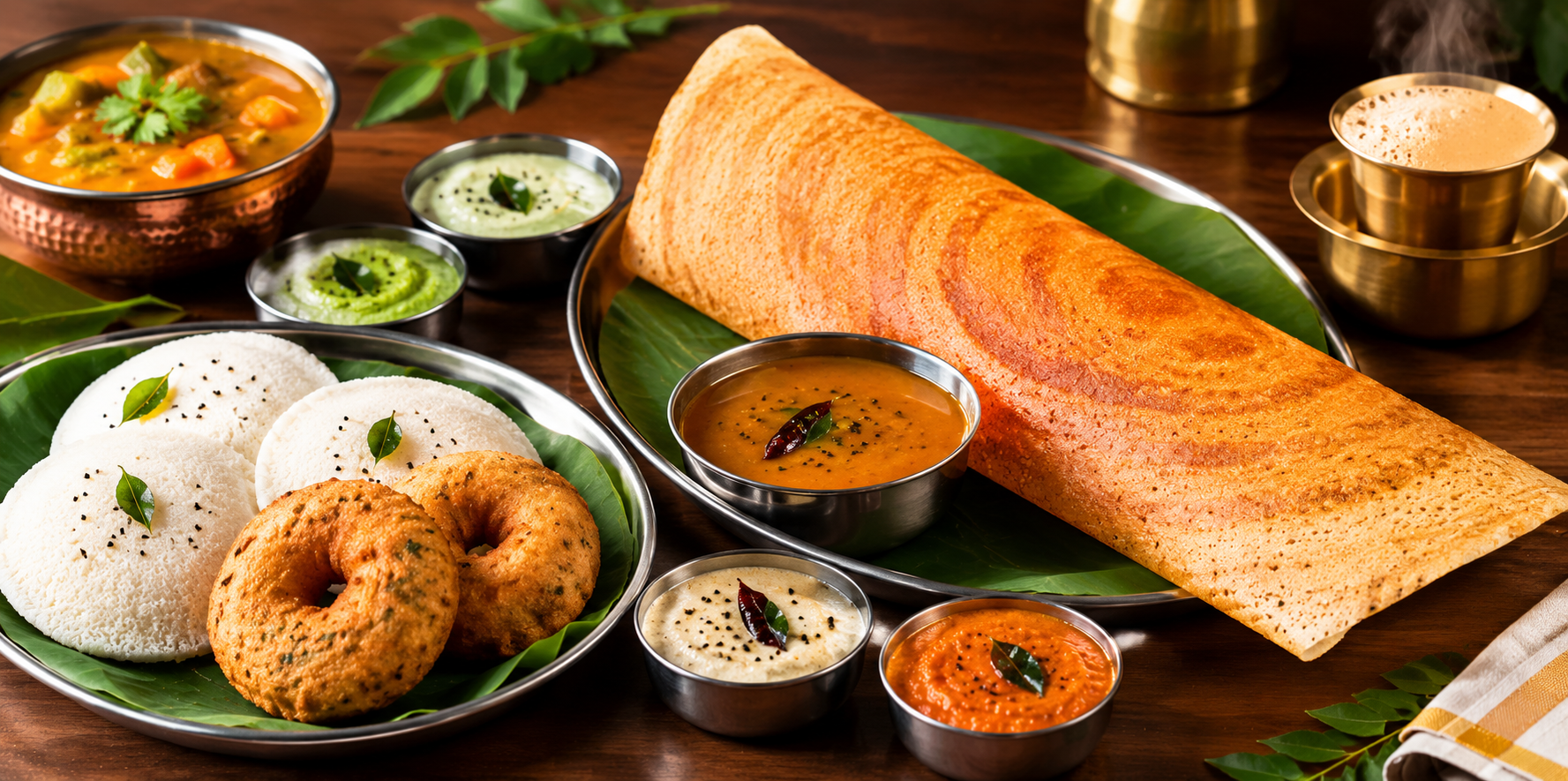
    Best South Indian Breakfast in Houston Dosa, Idli, Vada & More 

    Finding authentic South Indian Breakfast in Houston is not just about finding popular dishes like dosa, idli, and vada. Many diners are searching for a deeper experience  traditional cooking methods, regional flavors, and meals that represent the food culture of South India. 

    South Indian breakfast has become increasingly popular across Houston because it offers a unique combination of comforting textures, balanced flavors, and time-tested preparation techniques. From crispy golden dosas cooked on a hot griddle to soft idlis paired with flavorful sambar, every dish reflects generations of culinary tradition. 

    For those exploring South Indian food in Houston, understanding the dishes, ingredients, and dining customs can make the experience more enjoyable. Whether you are a first-time visitor or already familiar with South Indian cuisine, dishes like dosa, idli, vada, pongal, and uttapam offer a variety of flavors worth discovering. 

    Table of Contents 

    • What Makes South Indian Breakfast Unique?  
    • The Tradition Behind Dosa, Idli, and Vada  
    • Popular South Indian Breakfast Dishes to Try in Houston  
    • What First-Time Visitors Should Order at a South Indian Restaurant  
    • Exploring South Indian Breakfast at Thanjai Restaurant Houston  
    • Why South Indian Breakfast Has Become Popular in Houston  
    • Frequently Asked Questions About South Indian Breakfast  

    What Makes South Indian Breakfast Unique? 

    South Indian breakfast is unique because it combines fermented ingredients, traditional cooking techniques, and a variety of textures in one meal. Rice, lentils, spices, and fresh ingredients are transformed into dishes that range from crispy and savory to soft and comforting. 

    Unlike many breakfast traditions that focus on a single main dish, South Indian breakfast often includes a combination of items served together. A typical meal may include dosa or idli with sambar, coconut chutney, tomato chutney, and a beverage like filter coffee. 

    One important element of South Indian cuisine is fermentation. Dishes like dosa and idli use fermented rice and lentil batter, which creates their distinctive texture and flavor. 

    Why is fermentation important in South Indian cooking? 

    Fermentation helps develop the natural flavor and texture of South Indian breakfast dishes. The process allows dosa batter to become light and airy, creating crispy dosas and soft idlis while adding a mild tangy taste. 

    This traditional technique is one reason South Indian breakfast continues to stand out among Indian cuisines. 

    The Tradition Behind Dosa, Idli, and Vada 

    South Indian breakfast is built around simple ingredients prepared with careful techniques. Many classic dishes have been part of households across South India for generations. 

    Dosa A Crispy South Indian Favorite 

    Dosa is one of the most recognized South Indian dishes worldwide. Made from fermented rice and urad dal batter, dosa is spread thinly on a hot griddle to create a crispy texture. 

    Different dosa varieties offer unique flavors: 

    • Masala Dosa features a spiced potato filling with aromatic seasonings.  
    • Ghee Roast Dosa uses ghee to create a richer aroma and extra crisp texture.  
    • Podi Dosa is finished with South Indian spice powder for a flavorful kick.  

    The contrast between the crisp outer layer and soft inner texture makes dosa a favorite among many diners. 

    Idli A Soft and Comforting Classic 

    Idli is made from the same fermented rice and lentil batter but prepared through steaming instead of grilling. 

    The result is a soft, fluffy texture that absorbs flavors beautifully when paired with sambar and chutney. 

    Because it is light yet satisfying, idli is often enjoyed as a simple breakfast option for families and individuals looking for a traditional meal. 

    Vada A Crispy Lentil-Based Dish 

    Medhu vada is another popular South Indian breakfast item made from lentils. 

    The outside develops a crispy golden layer while the inside remains soft and airy. Served with sambar and chutney, vada adds a completely different texture to a South Indian breakfast plate. 

    Popular South Indian Breakfast Dishes to Try in Houston 

    Houston’s diverse food culture has created opportunities for diners to explore regional Indian cuisines. For anyone searching for Indian breakfast in Houston, South Indian dishes offer a flavorful alternative to everyday breakfast options. 

    Ghee Pongal A Comforting Morning Meal 

    Ghee Pongal is a traditional rice and lentil dish known for its rich aroma and comforting texture. 

    Prepared with ingredients such as rice, moong dal, black pepper, cumin, ginger, curry leaves, and ghee, Pongal delivers a warm and savory flavor profile. 

    It is a popular choice for diners who prefer a hearty breakfast with traditional South Indian flavors. 

    Uttapam A Softer Dosa Alternative 

    Uttapam is thicker than dosa and has a softer texture. Often topped with onions, vegetables, and spices, it provides a different way to enjoy fermented batter-based dishes. 

    For diners who enjoy dosa flavors but prefer softer preparation, uttapam is an excellent choice. 

    Filter Coffee A Traditional Pairing 

    South Indian filter coffee is more than just a beverage it is part of the breakfast tradition. 

    Prepared using a metal filter and roasted coffee grounds, filter coffee has a strong aroma and rich flavor that pairs naturally with dosa, idli, and vada. 

    What First-Time Visitors Should Order at a South Indian Restaurant 

    First-time visitors should try a combination of dishes that represent different cooking styles, such as masala dosa, idli with sambar, medhu vada, or ghee pongal. These choices allow diners to experience crispy, steamed, fried, and comforting South Indian flavors in one meal. 

    For a first visit, consider these combinations: 

    Light Breakfast Choice 

    • Idli with sambar  
    • Coconut chutney  
    • Filter coffee  

    Classic South Indian Experience 

    • Masala dosa  
    • Medhu vada  
    • Sambar and chutneys  

    Vegetarian Breakfast Selection 

    • Podi dosa  
    • Uttapam  
    • Pongal  

    Family Dining Recommendation 

    For families and groups, ordering different dishes to share allows everyone to explore multiple textures and flavors. 

    Exploring South Indian Breakfast at Thanjai Restaurant Houston 

    When looking for South Indian Breakfast in Houston, diners often want traditional dishes prepared using familiar techniques and authentic ingredients. 

    Thanjai Restaurant Houston offers a selection of South Indian breakfast favorites, including dosa varieties, idli, vada, pongal, uttapam, appam, and poori masala. 

    Located in Houston, Texas, Thanjai Restaurant serves as an option for diners exploring South Indian cuisine in the Energy Corridor area. The menu also includes other Indian specialties, making it suitable for groups with different preferences. 

    Guests looking for: 

    • Dosa in Houston  
    • Idli in Houston  
    • South Indian vegetarian breakfast  
    • Traditional Indian breakfast dishes  

    can explore a variety of classic options in one location. 

    Why South Indian Breakfast Has Become Popular in Houston 

    Houston’s growing Indian community and diverse food scene have introduced more diners to regional Indian cuisines. 

    South Indian breakfast has become popular because it offers: 

    • Vegetarian-friendly options  
    • Shareable dishes for families  
    • Traditional flavors and preparation methods  
    • Affordable meal choices  
    • A balance of light and filling options  

    Weekend mornings are especially popular for families and friends gathering over breakfast, while office groups often look for flavorful alternatives for team meals and casual gatherings. 

    South Indian cuisine fits naturally into Houston’s multicultural dining environment because it offers variety while maintaining strong cultural connections. 

    How Is South Indian Cuisine Different From North Indian Cuisine? 

    South Indian cuisine generally focuses more on rice-based dishes, fermented foods, coconut flavors, and dishes like dosa, idli, and sambar. North Indian cuisine often features wheat-based breads, creamy gravies, and dishes such as naan, roti, and paneer-based curries. 

    Both cuisines are diverse, but their ingredients, cooking methods, and flavor profiles create different dining experiences. 

    What Makes South Indian Vegetarian Breakfast Popular? 

    South Indian vegetarian breakfast is popular because it offers flavorful meals using simple ingredients like rice, lentils, vegetables, and spices. Dishes such as dosa, idli, pongal, and uttapam provide variety while remaining satisfying and suitable for different dietary preferences. 

    Frequently Asked Questions About South Indian Breakfast 

    What are the most popular South Indian breakfast dishes? 

    Popular South Indian breakfast dishes include dosa, idli, vada, pongal, uttapam, appam, and poori masala. These dishes are commonly served with sambar and chutneys, creating a combination of different flavors, textures, and traditional cooking styles. 

    What should first-time visitors order at a South Indian restaurant in Houston? 

    First-time visitors can start with masala dosa, idli with sambar, medhu vada, or ghee pongal. These dishes represent different South Indian cooking techniques and provide a good introduction to fermented foods, spices, and traditional breakfast combinations. 

    Is South Indian breakfast mostly vegetarian? 

    Many traditional South Indian breakfast dishes are vegetarian, including dosa, idli, vada, pongal, and uttapam. These dishes are often served with vegetarian sides like coconut chutney and sambar, making South Indian breakfast a popular choice for vegetarian diners. 

    Where can I find authentic South Indian breakfast in Houston? 

    Diners searching for authentic South Indian breakfast in Houston can explore Thanjai Restaurant, which offers traditional favorites including dosa, idli, vada, pongal, and other South Indian specialties prepared with classic flavors. 

    South Indian breakfast represents more than just a morning meal. It reflects regional traditions, thoughtful preparation methods, and the importance of sharing food through generations. 

    For Houston diners exploring South Indian Breakfast in Houston, dishes like dosa, idli, vada, and pongal offer an opportunity to experience the variety and cultural depth of South Indian cuisine. Whether enjoyed as a weekend family meal, a casual breakfast outing, or a first introduction to regional Indian food, these dishes continue to hold a meaningful place in Houston’s evolving food culture. 

  • Best Ghee Pongal Near Me in Houston, Texas

    Best Ghee Pongal Near Me in Houston, Texas

    Many diners searching for authentic South Indian food in Houston are familiar with dosa, idli, and biryani. Yet one of the most comforting and culturally significant dishes in South Indian cuisine often receives less attention: Ghee Pongal. For those searching for Ghee Pongal Near Me Houston, the goal is usually more than simply finding breakfast. Diners are often looking for a traditional dish that reflects generations of culinary heritage, offers satisfying flavors, and provides a glimpse into everyday South Indian food culture. 

    Ghee Pongal occupies a special place in Tamil cuisine. It is commonly enjoyed for breakfast, served during festivals, and valued for its comforting texture and balanced flavors. As Houston’s dining scene continues to embrace regional Indian cuisine, authentic Pongal has become easier to discover for those willing to look beyond familiar menu items. 

    Understanding the Appeal of Ghee Pongal 

    People searching for Indian restaurant near me or South Indian Breakfast Houston are often looking for food that balances simplicity with depth of flavor. 

    Ghee Pongal achieves this through a combination of rice, split yellow lentils, black pepper, cumin, ginger, curry leaves, and generous amounts of clarified butter, known as ghee. The result is a soft, creamy dish that feels hearty without being heavy. 

    Unlike many rice-based dishes that focus on spice intensity, Pongal emphasizes texture, warmth, and aromatic seasoning. 

    Pongal Has Deep Cultural Significance 

    Many people do not realize that Pongal is more than a breakfast dish. It is closely connected to the Tamil harvest festival known as Pongal, one of South India’s most important celebrations. The dish symbolizes prosperity, gratitude, and abundance. 

    This cultural connection helps explain why many South Indian families associate Pongal with comfort and tradition. 

    What Makes Pongal Different From Other Rice Dishes? 

    Pongal differs from many rice dishes because it combines rice and lentils into a soft, porridge-like consistency seasoned with black pepper, cumin, ginger, and ghee. Unlike biryani or fried rice dishes, Pongal focuses on comfort, simplicity, and balanced flavors rather than layered spices or strong heat. 

    The texture is one of its defining characteristics. Properly prepared Pongal should feel creamy and smooth while retaining enough structure to showcase the ingredients. 

    The tempering process is equally important. Fresh curry leaves, cracked black pepper, roasted cashews, and aromatic ghee create layers of flavor that transform simple ingredients into a memorable dish. 

    Ven Pongal and Sweet Pongal Are Different Dishes 

    Many first-time diners assume all Pongal is the same. 

    Ven Pongal refers to the savory version commonly served for breakfast. Sweet Pongal, on the other hand, contains jaggery, cardamom, and nuts and is often prepared during festivals and celebrations. 

    When searching for Pongal Near Me Houston, most restaurants are referring to the savory Ven Pongal variation. 

    Why Is Ghee Pongal Popular in South Indian Cuisine? 

    Ghee Pongal remains popular because it combines affordability, nutrition, comfort, and cultural significance. Its blend of rice and lentils provides balanced nourishment, while spices such as pepper and ginger contribute warmth and digestive benefits valued in traditional South Indian cooking. 

    Historically, Pongal became a staple because it could be prepared using accessible ingredients while still delivering satisfying flavor. 

    Even today, many South Indian households enjoy Pongal as a weekend breakfast or special morning meal. 

    Black Pepper Was Historically More Important Than Chili 

    Long before chili peppers became common in Indian cuisine, black pepper served as a primary source of heat. 

    Traditional Pongal relies heavily on black pepper rather than chili powder, giving it a distinctive warmth that differs from many spicy Indian dishes. 

    This historical influence remains evident in authentic recipes today. 

    What Should First-Time Diners Know About Ordering Pongal? 

    For diners exploring South Indian Food Houston for the first time, Pongal is often best enjoyed alongside traditional accompaniments. 

    Recommended pairings include: 

    • Medu Vada for texture contrast 
    • Coconut Chutney for freshness 
    • Sambar for added depth 
    • Filter Coffee for an authentic South Indian breakfast experience 

    The combination creates a balanced meal that showcases multiple aspects of South Indian cuisine. 

    Those searching for Indian food near me Houston may find Pongal especially appealing if they prefer mild yet flavorful dishes. 

    Where Does Authentic Ghee Pongal Fit Into Houston’s Dining Scene? 

    Houston has become one of the most diverse food cities in the United States. Areas such as Hillcroft, Sugar Land, Katy, Pearland, and Stafford have contributed to the growth of regional Indian dining. 

    As diners become increasingly interested in authenticity, restaurants are expanding beyond widely recognized dishes. 

    Rather than focusing solely on North Indian curries or Indo-Chinese offerings, many guests now seek traditional South Indian breakfast specialties including idli, dosa, vada, and Pongal. 

    This shift reflects a broader interest in regional food traditions and cultural authenticity. 

    A Closer Look at Thanjai Restaurant 

    Among Houston establishments serving South Indian cuisine, Thanjai Restaurant offers dishes rooted in Tamil culinary traditions. 

    For guests searching for Best Ghee Pongal Houston, the restaurant presents Pongal in a style that emphasizes traditional preparation methods and familiar South Indian flavors. 

    The dish typically arrives steaming hot with visible black pepper, aromatic cumin, roasted cashews, and a rich layer of ghee. 

    The texture remains soft and comforting, making it a popular choice for breakfast and weekend dining. 

    Beyond Pongal, diners often explore additional South Indian specialties available on the menu. 

    The restaurant also accommodates: 

    • Dine-in meals 
    • Takeout orders 
    • Houston Indian food delivery 
    • Group gatherings 

    These options make it suitable for both casual meals and larger occasions. 

    Pairing Recommendations for a Complete Meal 

    For families or groups dining together, combining Pongal with complementary dishes creates a more complete experience. 

    Consider ordering: 

    For First-Time Visitors 

    • Medu Vada 
    • Sambar 
    • Filter Coffee 

    For Families 

    • Masala Dosa 
    • Idli Platter 
    • Variety of chutneys 

    For Larger Groups 

    • South Indian breakfast combinations 
    • Shared appetizers 
    • Family-style entrees 
    • Traditional desserts 

    This approach allows diners to experience a wider range of flavors and textures. 

    Why Families Often Choose South Indian Breakfast Spots 

    Many Houston families appreciate South Indian restaurants because the menus offer options suitable for different age groups and spice preferences. 

    Children often enjoy mild dishes such as Pongal and idli, while adults may explore more robust regional specialties. 

    This flexibility makes family dining easier and more enjoyable. 

    The communal nature of South Indian meals also encourages sharing, conversation, and exploration. 

    What Makes Weekend Breakfast Culture Unique? 

    Weekend breakfast culture in South India differs significantly from weekday dining. 

    Many households dedicate extra time to preparing dishes that require greater attention and care. 

    Pongal frequently appears during these slower weekend mornings because it feels both comforting and celebratory. 

    Restaurants serving authentic South Indian breakfast often recreate this atmosphere by offering traditional combinations that encourage leisurely dining. 

    For Houston residents seeking an alternative to conventional brunch options, Pongal presents a distinctly South Indian experience. 

    Frequently Asked Questions 

    Is Ghee Pongal spicy? 

    Not typically. Pongal relies more on black pepper and ginger than chili peppers. The result is a gentle warmth rather than intense heat, making it approachable for a wide range of diners. 

    What is the difference between Pongal and Khichdi? 

    Although both combine rice and lentils, Pongal features distinctive South Indian seasonings such as cumin, black pepper, curry leaves, and ghee. Khichdi often uses different spices and regional preparation styles. 

    Is Pongal suitable for vegetarians? 

    Yes. Traditional Ven Pongal is vegetarian and contains rice, lentils, spices, ghee, and nuts. It remains one of the most popular vegetarian breakfast dishes in South Indian cuisine. 

    Is Pongal only eaten for breakfast? 

    No. While breakfast is the most common serving time, many people enjoy Pongal for lunch, dinner, festival meals, and special occasions due to its comforting nature. 

    A Meaningful Addition to Houston’s Food Landscape 

    For diners searching for Ghee Pongal Near Me Houston, the dish offers more than a satisfying meal. It represents a culinary tradition rooted in Tamil culture, agricultural history, and everyday comfort. As Houston’s appreciation for regional Indian cuisine continues to grow, restaurants such as Thanjai Restaurant help introduce diners to dishes that extend beyond familiar favorites. Those interested in authentic South Indian breakfast traditions, family-friendly dining, and culturally significant food will likely find Pongal to be one of the city’s most rewarding discoveries. 

  • Looking for Idiyappam Near Me? Find Authentic Flavors in Houston 

    Looking for Idiyappam Near Me? Find Authentic Flavors in Houston 

    Many diners searching for authentic South Indian food quickly discover that the cuisine extends far beyond dosa, idli, and biryani. One dish that often surprises first-time visitors is Idiyappam, also known as string hoppers a delicate, steamed rice noodle preparation that has been enjoyed across South India for generations. 

    For people searching for Idiyappam Near Me Houston, the goal is usually simple: find authentic flavors that reflect traditional cooking methods while fitting naturally into Houston’s diverse dining scene. Whether you’re exploring South Indian cuisine for the first time or looking for a familiar comfort food, understanding what makes Idiyappam unique can help you make a better dining choice. 

    Why Is Idiyappam So Popular in South Indian Cuisine? 

    Idiyappam is valued for its simplicity, versatility, and ability to pair with both sweet and savory dishes. Made primarily from rice flour and steamed into delicate noodle-like strands, it offers a light texture while absorbing flavors exceptionally well. 

    Unlike heavily fried breakfast foods, Idiyappam relies on steaming, making it a staple in many South Indian households. It is commonly served with coconut milk, vegetable stew, kurma, or spicy curries depending on the region and occasion. 

    One useful fact many diners don’t know is that Idiyappam appears in several South Indian culinary traditions, including Tamil Nadu and Kerala, with each region adding its own serving style and accompaniments. 

    What Makes Idiyappam Different From Other Breakfast Dishes? 

    When comparing South Indian breakfast options, diners often encounter dosa, idli, pongal, and vada. Idiyappam stands apart because of its unique texture. 

    The rice dough is pressed through a special mold to create thin strands before steaming. The result is soft, airy, and delicate rather than crispy or fluffy. 

    This cooking technique creates a dish that feels light while still being satisfying. For those looking for South Indian Breakfast Houston options that differ from the familiar dosa experience, Idiyappam offers something distinctly traditional. 

    The Cultural Story Behind String Hoppers 

    One reason traditional foods remain popular across generations is their connection to culture and family traditions. 

    Historically, Idiyappam was often prepared during weekends, family gatherings, and festive occasions. The preparation process itself encouraged communal cooking, with multiple family members helping prepare dough, press strands, and steam batches. 

    Another lesser-known fact is that Idiyappam has similarities to several rice-based noodle dishes found throughout Southeast Asia, reflecting centuries of culinary exchange across maritime trade routes. 

    For many South Indian families now living in Houston, dishes like Idiyappam provide a meaningful connection to regional food traditions. 

    Finding Authentic Idiyappam in Houston 

    Houston’s restaurant landscape has expanded significantly in recent years, particularly for regional Indian cuisine. 

    While many restaurants focus primarily on North Indian dishes, a growing number of establishments specialize in authentic South Indian cooking. This is important for diners searching for Fresh Idiyappam Near Me Houston because traditional preparation methods greatly influence the final texture and flavor. 

    Among the restaurants serving South Indian specialties, Thanjai Restaurant offers menu items that reflect the culinary traditions of Tamil Nadu. Rather than focusing only on widely known dishes, the restaurant includes regional favorites that many South Indian diners grew up eating. 

    For Houston residents looking beyond standard restaurant offerings, places that feature traditional dishes such as Idiyappam, Ven Pongal, and South Indian curries provide a broader understanding of the cuisine. 

    What Should First-Time Diners Order With Idiyappam? 

    For first-time diners, the most traditional way to enjoy Idiyappam is with coconut milk, vegetable kurma, or South Indian-style curries. These pairings complement the mild flavor of the rice noodles while highlighting regional spice profiles. 

    Some recommended combinations include: 

    Idiyappam with Coconut Milk 

    A classic preparation featuring lightly sweetened coconut milk that balances the delicate rice strands. 

    Idiyappam with Vegetable Kurma 

    A fragrant curry made with vegetables, coconut, and aromatic spices. 

    Idiyappam with Chicken Curry 

    Popular among non-vegetarian diners who enjoy richer flavors and layered spice combinations. 

    Idiyappam with Egg Curry 

    A comforting pairing commonly found across South Indian households. 

    For diners exploring South Indian Food Houston, trying at least one traditional pairing offers a more complete culinary experience. 

    Why Do Families Enjoy Traditional South Indian Restaurants? 

    Family dining remains an important part of Houston’s restaurant culture. 

    Many households look for restaurants where multiple generations can find something they enjoy. South Indian cuisine naturally accommodates this preference because menus typically include: 

    • Vegetarian options 
    • Mild dishes for children 
    • Spicy dishes for adventurous eaters 
    • Breakfast specialties 
    • Rice-based meals 
    • Regional curries 

    This variety helps explain why searches for Family Indian Restaurant Houston continue to grow. 

    Restaurants that serve both familiar favorites and regional specialties often appeal to larger groups with diverse tastes. 

    Beyond Breakfast: How Idiyappam Is Enjoyed Throughout the Day 

    Although many people associate Idiyappam with breakfast, it is not limited to morning meals. 

    In South India, it is frequently enjoyed: 

    • As a weekend brunch dish 
    • During family lunches 
    • For lighter dinners 
    • During festive gatherings 
    • Alongside curry-based meals 
       

    This versatility contributes to its enduring popularity. 

    Houston diners increasingly seek authentic regional foods rather than generalized cuisine categories. As a result, dishes like Idiyappam have gained attention among both Indian and non-Indian food enthusiasts. 

    What Makes South Indian Cuisine Different From North Indian Cuisine? 

    South Indian cuisine generally emphasizes rice, lentils, coconut, and fermented foods, while North Indian cuisine often features wheat-based breads, dairy-rich gravies, and tandoor cooking. 

    Neither style is better; they simply represent different regional traditions. 

    South Indian dishes frequently highlight: 

    • Rice-based staples 
    • Coconut flavors 
    • Tangy ingredients 
    • Fermented batters 
    • Steamed preparations 

    This distinction helps explain why dishes such as Idiyappam feel very different from naan, butter chicken, or other North Indian favorites commonly found in many American cities. 

    Practical Dining Tips for Houston Diners 

    If you’re searching for Indian Restaurant Near Me or Indian Restaurant Houston, consider the following recommendations: 

    For First-Time Visitors 

    Try Idiyappam alongside a curry and a traditional South Indian beverage. 

    For Families 

    Order a mix of breakfast specialties, curries, and rice dishes to experience different textures and flavors. 

    For Weekend Dining 

    Many diners prefer South Indian breakfast and brunch menus during weekends, making early visits a good option. 

    For Group Gatherings 

    Restaurants that offer catering, banquet facilities, and larger dining spaces can accommodate celebrations, community events, and family functions. 

    Many Houston establishments, including Thanjai Restaurant, also provide takeout, delivery, catering services, and banquet hall options for larger gatherings. 

    Frequently Asked Questions 

    What exactly is Idiyappam? 

    Idiyappam is a traditional South Indian dish made from rice flour dough that is pressed into thin noodle-like strands and steamed. Often called string hoppers, it is commonly served with coconut milk, vegetable stew, or curry-based accompaniments. 

    Is Idiyappam vegetarian? 

    Yes. The basic preparation uses rice flour, water, and salt, making it naturally vegetarian. However, it can be paired with vegetarian or non-vegetarian side dishes depending on personal preference. 

    Is Idiyappam healthier than fried snacks? 

    Because it is steamed rather than fried, Idiyappam is often considered a lighter option. Its simple ingredients and cooking method make it a popular choice among those seeking traditional comfort foods. 

    What should first-time diners order alongside Idiyappam? 

    Vegetable kurma and coconut milk are among the most traditional pairings. Diners who enjoy richer flavors may also try chicken curry or egg curry to experience how the dish absorbs spices and sauces. 

    An Important Part of Houston’s Growing South Indian Food Scene 

    As Houston’s culinary landscape continues to evolve, regional Indian cuisine is receiving greater attention from diners seeking authenticity and cultural depth. Dishes such as Idiyappam showcase traditions that extend far beyond the most commonly recognized Indian foods. 

    For those searching for Idiyappam Near Me Houston, discovering restaurants that prepare traditional South Indian specialties can offer both a satisfying meal and a deeper understanding of one of India’s most diverse culinary regions. Whether enjoyed with coconut milk, curry, or alongside a larger South Indian feast, Idiyappam remains a dish that connects food, culture, and community in a meaningful way. 

  • Where to Find the Best Mutton Pepper Fry in Houston 

    Where to Find the Best Mutton Pepper Fry in Houston 

    Finding truly regional Indian food outside India can be surprisingly difficult. While many restaurants offer familiar dishes such as butter chicken and biryani, fewer places showcase the bold, pepper-forward flavors that define parts of South Indian cuisine. For diners searching for Mutton Pepper Fry Houston or Mutton Pepper Fry Near Me Houston, the goal is often more specific than simply finding Indian food, they want a dish that reflects authentic cooking traditions, robust spices, and carefully prepared meat. 

    In Houston, a city known for its diverse culinary scene, interest in regional Indian specialties continues to grow. Mutton Pepper Fry is one such dish attracting food enthusiasts, spice lovers, and families looking to explore flavors beyond standard restaurant menus. 

    Understanding the Appeal of Mutton Pepper Fry 

    When people search for Indian food near me Houston, they are often seeking authentic dishes that offer something different from everyday dining. Mutton Pepper Fry stands out because it focuses on depth of flavor rather than heavy sauces. 

    Unlike many curry-based dishes, Mutton Pepper Fry is typically prepared with slow-cooked mutton, freshly ground black pepper, curry leaves, onions, and aromatic spices. The result is a dry-style preparation that highlights the meat’s natural richness while delivering a warm, lingering spice profile. 

    What Makes South Indian Mutton Pepper Fry Different? 

    South Indian Mutton Pepper Fry differs from many Indian meat dishes because it relies heavily on black pepper rather than cream, tomatoes, or rich gravies. The dish emphasizes spice balance, slow cooking, and aromatic ingredients such as curry leaves and fennel. 

    One interesting fact many diners may not know is that black pepper played a major role in South India’s historical spice trade. Long before chili peppers became widespread, black pepper was one of the region’s most valuable culinary ingredients. 

    Another distinctive feature is texture. The meat is often cooked until tender while remaining firm enough to absorb spices without becoming overly soft. 

    Why Are People Searching for Mutton Pepper Fry in Houston? 

    Houston’s growing Indian community has increased demand for regional specialties that remind diners of home while introducing others to authentic South Indian cooking. 

    Weekend dining trends show families increasingly looking beyond standard menu items. Instead of ordering only biryani or naan-based meals, diners are exploring dishes like: 

    • Chettinad Pepper Chicken 
    • Mutton Chukka 
    • Kari Dosai 
    • Mutton Pepper Fry 
       

    This shift reflects a broader interest in regional food traditions and authentic culinary experiences. 

    A Regional Specialty Worth Exploring 

    One of the most important things to understand about Mutton Pepper Fry is that it is not a single standardized recipe. 

    Regional Variation 

    Different regions of South India prepare pepper fry differently. Tamil Nadu versions often feature generous amounts of black pepper and curry leaves, while other areas may add coconut or different spice combinations. 

    The Importance of Curry Leaves 

    Many diners think curry leaves are simply garnish. In reality, they contribute a distinctive earthy aroma that becomes an essential part of the dish’s flavor profile. 

    Slow Cooking Matters 

    Traditional Mutton Pepper Fry relies on slow cooking to tenderize the meat naturally. This process allows spices to penetrate deeply while preserving texture. 

    These techniques help explain why authentic preparations are often sought after by food enthusiasts. 

    What Should First-Time Diners Order Alongside Mutton Pepper Fry? 

    First-time diners should pair Mutton Pepper Fry with parotta, dosa, idiyappam, or steamed rice. These accompaniments help balance the spice while highlighting the dish’s complex flavors. 

    For many South Indian diners, flaky parotta is considered one of the best companions because its layered texture absorbs spice-coated morsels of mutton beautifully. 

    Other recommended pairings include: 

    • Ghee rice 
    • Idiyappam (string hoppers) 
    • Appam 
    • Plain dosa 
    • Lemon rice 
       

    The combination creates a more complete dining experience. 

    How Is Chettinad Mutton Pepper Fry Different? 

    Chettinad cuisine is among India’s most celebrated regional culinary traditions. 

    Chettinad Mutton Pepper Fry typically features a more intense spice profile, including black pepper, fennel, cloves, cinnamon, and stone flower, creating deeper layers of flavor than many standard pepper fry preparations. 

    The Chettinad region of Tamil Nadu is known for sophisticated spice blending techniques that evolved through centuries of trade connections. 

    When diners search for Chettinad Mutton Pepper Fry Houston, they are often looking for these distinctive flavors rather than generic spicy meat dishes. 

    Where Thanjai Restaurant Fits Into Houston’s South Indian Food Scene 

    For those exploring authentic South Indian cuisine in Houston, Thanjai Restaurant represents one of the restaurants that focuses on traditional regional cooking. 

    Rather than centering menus exclusively around widely recognized North Indian dishes, establishments like Thanjai Restaurant highlight specialties commonly enjoyed in Tamil Nadu households and local eateries. 

    Their menu often attracts diners interested in: 

    • Authentic Mutton Pepper Fry Houston TX 
    • Traditional Tamil cuisine 
    • Regional non-vegetarian dishes 
    • Family-style South Indian meals 
       

    For people searching for Indian restaurant Houston or South Indian restaurant Houston, these regional offerings provide an opportunity to experience a different side of Indian cuisine. 

    Dining Recommendations for Families and Groups 

    Houston families often use weekends to explore new restaurants and cuisines together. 

    For group dining, consider ordering a variety of dishes rather than focusing on a single entrée. 

    A balanced South Indian meal might include: 

    For Spice Lovers 

    • Mutton Pepper Fry 
    • Chettinad Chicken 
    • Mutton Bone Soup 

    For Families 

    • Dosa varieties 
    • Parotta 
    • Vegetable curries 
    • Rice dishes 

    For Larger Gatherings 

    • South Indian thali meals 
    • Shared appetizers 
    • Traditional desserts 
       

    Restaurants offering Indian Catering Services Houston and Banquet Hall Houston options are often well-equipped for celebrations and community events. 

    Why Houston Diners Are Embracing Regional Indian Cuisine 

    Houston’s food culture rewards authenticity. Diners frequently seek dishes that reflect regional traditions rather than simplified versions designed for broad appeal. 

    This trend has encouraged greater interest in: 

    • Tamil cuisine 
    • Chettinad specialties 
    • Andhra-style cooking 
    • Kerala seafood dishes 
    • Traditional South Indian breakfasts 
       

    As a result, dishes such as Mutton Pepper Fry have become increasingly visible among Houston’s diverse dining options. 

    For office lunches, family dinners, community gatherings, and weekend outings, regional Indian cuisine offers both familiarity and discovery. 

    Frequently Asked Questions 

    What makes Mutton Pepper Fry different from regular mutton curry? 

    Mutton Pepper Fry is generally a dry-style dish that emphasizes black pepper and aromatic spices rather than gravy. The preparation focuses on concentrated flavors and tender meat coated in spice-rich seasoning. 

    Is Mutton Pepper Fry very spicy? 

    The dish is usually bold and peppery rather than overwhelmingly hot. The spice comes primarily from black pepper, creating warmth and depth without relying entirely on chili heat. 

    What is the best accompaniment for Mutton Pepper Fry? 

    Parotta is often considered the traditional pairing. However, dosa, idiyappam, appam, and steamed rice also work exceptionally well depending on personal preference. 

    Is Mutton Pepper Fry suitable for family dining? 

    Yes. Families often order it as a shared dish alongside milder curries, rice preparations, and South Indian breads, allowing diners with different spice preferences to enjoy the meal together. 

    A Dish That Represents More Than Spice 

    For diners exploring Houston’s Indian food landscape, Mutton Pepper Fry offers more than just heat. It reflects centuries of culinary tradition, regional spice expertise, and cooking techniques that continue to shape South Indian cuisine today. 

    Whether you’re a longtime fan of Tamil food, a curious diner searching for Mutton Pepper Fry Near Me Houston, or someone interested in discovering authentic regional flavors, dishes like this highlight why South Indian cuisine remains one of the most diverse and rewarding culinary traditions available in Houston. 

  • Discover Authentic Chicken Pepper Fry in Houston, Texas

    Discover Authentic Chicken Pepper Fry in Houston, Texas

    Many people searching for Chicken Pepper Fry Houston, a South Indian restaurant Houston, or an Indian restaurant Houston are looking for more than just spicy food. They want authentic regional flavors that go beyond the familiar butter chicken and tikka masala often found on mainstream Indian menus. South Indian cuisine offers a remarkable variety of meat dishes, and Chicken Pepper Fry is one of its most celebrated specialties, especially in Tamil Nadu’s Chettinad culinary tradition. 

    Whether you’re searching for Chicken Pepper Fry Near Me Houston, planning a family dinner, or exploring authentic South Indian cuisine for the first time, understanding what makes this dish unique can help you choose a memorable dining experience. 

    What Makes Chicken Pepper Fry Different from Other Indian Chicken Dishes 

    Chicken Pepper Fry is a dry-style South Indian chicken dish that highlights freshly ground black pepper instead of relying heavily on red chili powder. The result is a bold, aromatic heat layered with earthy spices, curry leaves, onions, and tender chicken rather than an intensely fiery burn. 

    Unlike creamy North Indian gravies, Chicken Pepper Fry has very little sauce. The chicken is slowly cooked until the spices coat every piece, allowing roasted pepper, fennel, ginger, garlic, and curry leaves to create a rich, balanced flavor. 

    Pepper Was Once More Valuable Than Gold 

    Black pepper has deep roots in South Indian history. Tamil Nadu and neighboring Kerala played an important role in the ancient spice trade, attracting merchants from Rome, Arabia, and Europe centuries before modern globalization. Pepper wasn’t simply a seasoning it was one of India’s most valuable exports. 

    That historical importance explains why pepper remains a defining ingredient in many traditional South Indian meat dishes today. 

    Why Is Chettinad Cuisine Famous for Pepper-Based Cooking 

    Chettinad cuisine is known for combining freshly roasted whole spices with precise cooking techniques that build complexity rather than overwhelming heat. Black pepper often takes center stage, creating warmth that develops gradually instead of delivering instant spiciness. 

    The Chettinad region of Tamil Nadu is famous for recipes that emphasize: 

    • Freshly roasted whole spices 
    • Curry leaves for aroma 
    • Shallots instead of large onions in many traditional recipes 
    • Slow cooking for deeper flavor 
    • Dry-style meat preparations 

    Black Pepper and Chilli Are Not the Same 

    Many diners assume spicy food always comes from red chilies. Black pepper creates a completely different type of heat. It produces a warming sensation that enhances the natural flavor of chicken instead of masking it. 

    This distinction is one reason authentic Chettinad Chicken Pepper Fry Houston stands apart from many other spicy chicken dishes. 

    What Should First-Time Diners Expect from Chicken Pepper Fry 

    If you’re ordering Chicken Pepper Fry for the first time, expect a dish that focuses on flavor balance rather than sauce. 

    The chicken is typically: 

    • Tender and juicy 
    • Coated with roasted spices 
    • Fragrant with curry leaves 
    • Rich in cracked black pepper 
    • Finished with a slightly smoky aroma 

    Instead of a creamy gravy, every bite delivers concentrated spice, making it ideal for pairing with rice or South Indian breads. 

    The flavor profile is especially appealing to diners who enjoy bold seasoning without excessive oil or sweetness. 

    Where Can You Enjoy Authentic Chicken Pepper Fry in Houston 

    Houston’s diverse food culture has created growing interest in authentic regional Indian cuisine. Rather than serving only pan-Indian favorites, several restaurants now specialize in recipes that reflect specific states and culinary traditions. 

    For diners seeking Authentic Chicken Pepper Fry Houston TX, Thanjai Restaurant brings the flavors of Tamil Nadu to Houston, Texas with a menu centered around traditional South Indian cooking. 

    Instead of treating Chicken Pepper Fry as just another appetizer, the preparation reflects regional cooking methods that emphasize freshly roasted spices, curry leaves, and balanced seasoning. 

    Alongside Chicken Pepper Fry, guests can also explore: 

    • Traditional South Indian meals 
    • Chettinad specialties 
    • Dosa varieties 
    • Biryani 
    • Seafood dishes 
    • Regional curries 
    • Vegetarian classics 

    This broader menu allows diners to experience South Indian cuisine as a complete culinary tradition rather than a single signature dish. 

    How Chicken Pepper Fry Fits Into a Traditional South Indian Meal 

    One of the most enjoyable aspects of South Indian dining is how dishes complement each other. 

    Chicken Pepper Fry is rarely eaten alone. Instead, it pairs naturally with several staples. 

    Steamed Rice 

    The pepper-coated chicken contrasts beautifully with plain rice, allowing the spices to shine. 

    Parotta 

    The flaky, layered South Indian flatbread absorbs every bit of seasoning while adding buttery texture. 

    Dosa 

    A crisp dosa offers an interesting contrast to the rich pepper coating. 

    Rasam 

    This tangy pepper-based soup refreshes the palate between bites. 

    Curry Leaves Are More Than Garnish 

    Many people mistakenly remove curry leaves while eating. In South Indian cuisine, they are intentionally cooked into dishes because they release aromatic oils during frying, contributing significantly to flavor. 

    Although some diners choose not to eat them whole, they play an essential role in the cooking process. 

    What Should You Order Alongside Chicken Pepper Fry 

    For a balanced South Indian meal, pair Chicken Pepper Fry with parotta or steamed rice, add rasam or sambar for contrast, and finish with a traditional dessert or refreshing beverage. This combination showcases the variety that defines regional Tamil cuisine. 

    If you’re dining with family or friends, consider building a meal that includes: 

    • Chicken Pepper Fry 
    • Chettinad curry 
    • Dosa 
    • Biryani 
    • Vegetable sides 
    • Rasam 
    • Traditional desserts 

    This approach allows everyone at the table to sample different cooking styles. 

    Pairing Recommendations for Different Dining Occasions 

    For Office Lunch 

    Chicken Pepper Fry served with rice offers a satisfying midday meal that’s flavorful without feeling overly heavy, making it popular among professionals seeking Indian Lunch Specials Houston. 

    For Family Gatherings 

    Families often enjoy sharing multiple South Indian dishes together. Adding dosa, curries, biryani, and appetizers creates a meal that suits different spice preferences and ages, making it an excellent choice for a Family Indian restaurant Houston experience. 

    For Spice Enthusiasts 

    If you appreciate layered heat rather than overwhelming spice, Chicken Pepper Fry is an excellent introduction to Chettinad Cuisine Houston. 

    Weekend Dining 

    Houston residents frequently explore new cuisines during weekends. Choosing a restaurant that specializes in regional South Indian recipes can offer a refreshing alternative to more familiar Indian dishes, making it a great option for Weekend Dining Houston TX. 

    Why Chicken Pepper Fry Appeals to Houston Food Lovers 

    Houston is one of America’s most diverse culinary cities, where diners actively seek authentic regional food experiences. 

    Chicken Pepper Fry fits naturally into this dining culture because it offers: 

    • Authentic Tamil Nadu flavors 
    • Freshly prepared spices 
    • Bold yet balanced seasoning 
    • Traditional cooking methods 
    • A different perspective on Indian cuisine 

    For those searching Indian food near me Houston, South Indian Food Houston, or Freshly Cooked Chicken Pepper Fry Houston, dishes like this provide an opportunity to experience a lesser-known but deeply respected regional specialty. 

    Restaurants such as Thanjai Restaurant also serve guests looking for Houston Indian food delivery, Indian Catering Services Houston, and even Banquet Hall Houston options for family celebrations and community gatherings. 

    Frequently Asked Questions 

    What makes Chicken Pepper Fry different from Chicken 65? 

    Chicken Pepper Fry is a dry, pan-cooked dish flavored primarily with black pepper, curry leaves, and roasted spices. Chicken 65 is typically deep-fried, brighter in color, and often uses red chili as its dominant spice, resulting in a different texture and flavor profile. 

    Is Chicken Pepper Fry very spicy? 

    The dish is more flavorful than overwhelmingly hot. Black pepper creates a gradual warmth that builds each bite instead of the immediate heat associated with large amounts of red chili powder. Most diners find it bold but balanced. 

    What should first-time visitors order with Chicken Pepper Fry? 

    Steamed rice, parotta, rasam, or dosa all pair exceptionally well with Chicken Pepper Fry. Ordering a combination of meat dishes and vegetarian sides offers a broader introduction to South Indian cuisine and creates a more balanced meal. 

    Is Chicken Pepper Fry suitable for family dining? 

    Yes. Families often order Chicken Pepper Fry as one shared dish alongside biryani, curries, dosas, rice, and vegetarian specialties. This variety allows everyone to enjoy different flavors while experiencing the communal style that is central to South Indian dining. 

    A Dish That Represents South India’s Culinary Heritage 

    Chicken Pepper Fry is more than a spicy chicken recipe it reflects centuries of South India’s spice heritage, regional cooking traditions, and the careful balance of ingredients that defines Chettinad cuisine. For Houston diners interested in exploring authentic Indian flavors beyond familiar classics, it offers a rewarding introduction to Tamil Nadu’s culinary identity. Restaurants like Thanjai Restaurant contribute to Houston’s diverse dining landscape by presenting these traditional recipes in a way that appeals to both longtime fans of South Indian food and first-time visitors eager to discover something genuinely regional.