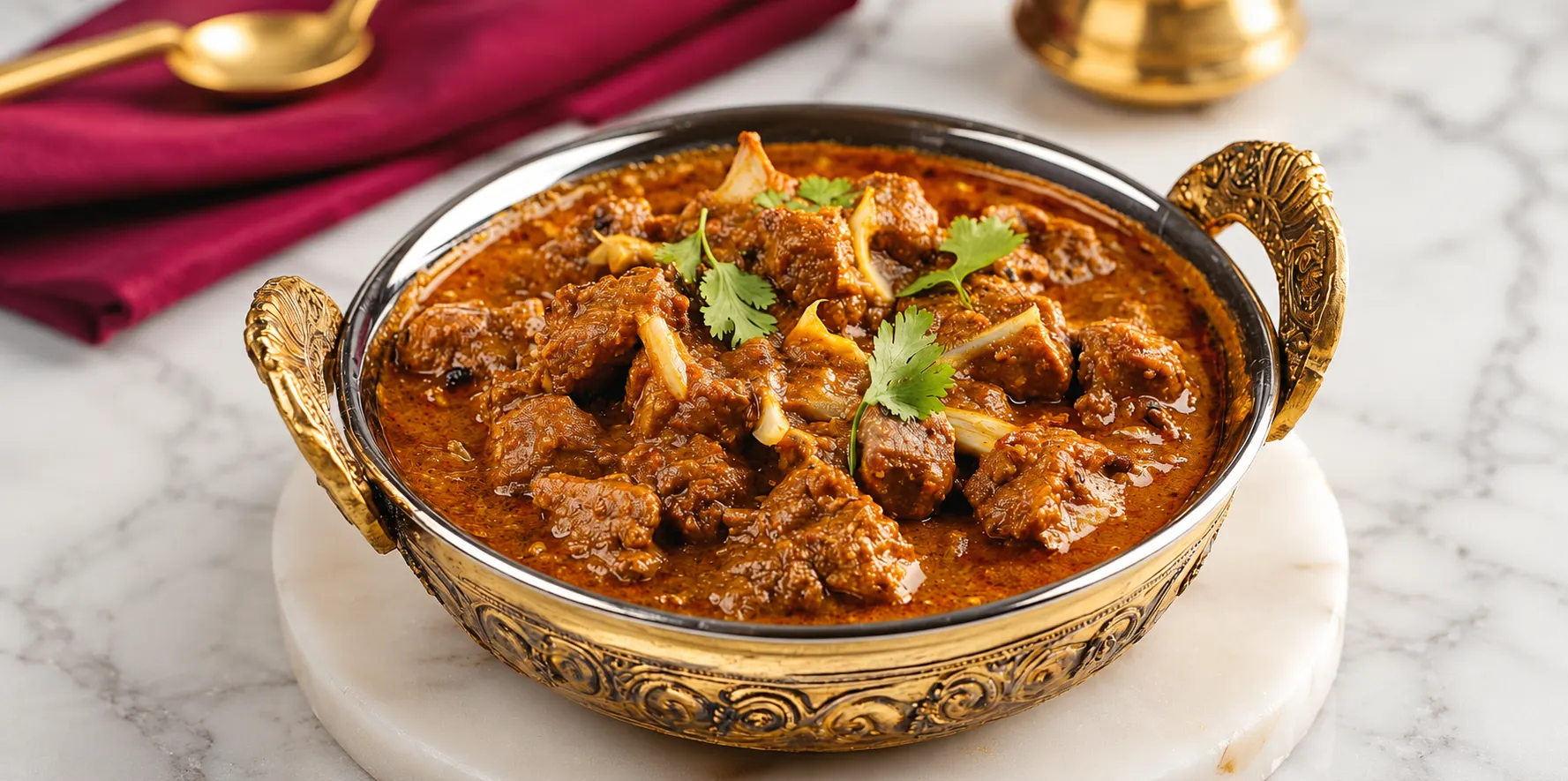
A memorable mutton curry depends on more than spice. The tenderness of the meat, the richness of the gravy, and the way herbs and spices work together all influence the final flavor. For diners searching for Best Mutton Kurma Near Me in Houston, understanding these details can help them discover a dish that offers both comforting texture and traditional South Indian character.
Mutton kurma is a flavorful Indian curry known for its aromatic seasoning and rich gravy. Depending on the regional recipe, it may feature coconut, yogurt, nuts, or a combination of spices that creates a distinctive sauce. In South Indian cooking, kurma variations often complement rice and breads, making the dish suitable for a satisfying lunch or dinner.
Houston’s diverse Indian food scene gives diners opportunities to explore regional curries beyond familiar chicken dishes. Knowing what distinguishes mutton kurma from other preparations makes that experience even more rewarding.
Table of Contents
- What Makes Mutton Kurma a Distinctive Indian Curry?
- Understanding the Search for the Best Mutton Kurma Near Me in Houston
- What Gives South Indian Mutton Kurma Its Signature Flavor?
- How Is Mutton Kurma Different From Other Mutton Curries?
- Exploring Mutton Kurma at Thanjai Restaurant in Houston
- What Should You Order With Mutton Kurma?
- Why Are Traditional Indian Curries Popular With Houston Diners?
- Frequently Asked Questions About Mutton Kurma
- A Traditional Mutton Curry in Houston’s Diverse Food Scene
What Makes Mutton Kurma a Distinctive Indian Curry?
Mutton kurma is an Indian curry made with mutton cooked in an aromatic, richly seasoned gravy. Depending on the regional style, the sauce may include coconut, spices, herbs, and other ingredients that contribute depth and texture. The result is a comforting meat dish that pairs well with rice or Indian breads.
Unlike dry meat preparations, mutton kurma brings together tender meat and a flavorful sauce. The gravy coats each piece, allowing the spices to complement the natural richness of the mutton.
The precise recipe varies across Indian regions. Some versions are creamy and gently spiced, while others have stronger aromatics or a more pronounced chili flavor. South Indian variations may use coconut and curry leaves to create a distinctive regional character.
Why Does Mutton Kurma Appeal to Indian Food Lovers?
Mutton kurma appeals to diners who enjoy substantial curries without necessarily wanting an extremely hot dish. A well-balanced version combines savory meat, fragrant spices, and a smooth gravy.
Three elements contribute to its appeal:
- Tender meat: Proper cooking helps mutton develop a softer texture.
- Aromatic gravy: Spices and herbs create depth without relying only on chili heat.
- Versatile pairings: The sauce works well with rice and breads that absorb its flavors.
For people exploring Indian cuisine for the first time, mutton kurma can be an interesting introduction to the variety of regional meat curries.
Understanding the Search for the Best Mutton Kurma Near Me in Houston
When diners search for Mutton Kurma Houston, they are often looking for a restaurant serving a traditional preparation rather than a generic meat curry. They may want to know how the gravy is made, whether the dish is very spicy, and what to order alongside it.
Houston diners have access to different Indian cooking traditions, including South Indian curries that emphasize coconut, curry leaves, black pepper, and regional spice blends.
When comparing restaurants, consider these practical factors:
- Whether mutton kurma appears on the current menu
- The style of gravy described by the restaurant
- Available rice and bread accompaniments
- Your preferred spice level
- Whether the dish is available during your intended meal
These details can help you choose a meal that matches your preferences rather than relying on a restaurant’s name or general cuisine description alone.
What Should Diners Look for in Authentic Mutton Kurma?
Authentic preparation is not defined by a single universal recipe. Instead, look for a recognizable regional style, a well-integrated gravy, and meat cooked until tender.
The sauce should complement the mutton rather than overwhelm it. Aromatic spices should contribute complexity, while ingredients such as coconut can add body and a subtle sweetness. Because recipes differ, asking about the restaurant’s preparation style is useful if you have a particular regional flavor in mind.
What Gives South Indian Mutton Kurma Its Signature Flavor?
South Indian mutton kurma develops its characteristic flavor through the combination of meat, aromatic spices, herbs, and, in many versions, coconut. Depending on the recipe, ingredients such as ginger, garlic, coriander, cumin, and curry leaves contribute fragrance and depth. Careful cooking allows the gravy and mutton to come together into a cohesive dish.
The Role of Coconut and Aromatic Spices
Coconut is an important ingredient in many South Indian curries. Depending on how it is prepared, it can give a sauce a fuller texture and a gently sweet, nutty character.
Spices serve different purposes. Coriander adds an earthy note, cumin contributes warmth, and ginger and garlic provide a savory foundation. Curry leaves bring a recognizable herbal aroma to many South Indian preparations.
Not every kurma uses the same ingredients in the same proportions. That variation is part of what makes exploring regional Indian curries interesting.
Why Cooking Technique Matters
Mutton generally benefits from sufficient cooking time to soften its connective tissue. The exact time depends on the cut, the size of the pieces, and the cooking method.
When meat is cooked properly in a seasoned gravy, it can absorb flavor while contributing its own richness to the sauce. Rushing the process may leave the meat tough or prevent the flavors from developing fully.
This combination of ingredient selection and technique helps distinguish a carefully prepared curry from a simple meat dish with added sauce.
How Is Mutton Kurma Different From Other Mutton Curries?
Mutton kurma differs from other mutton curries mainly in its gravy, spice balance, and regional preparation. Some kurmas use coconut or other ingredients to create a rounded sauce, while pepper-based and roasted-spice curries may emphasize stronger heat and a more intense flavor.
Understanding these differences helps diners choose according to their preferences.
| Dish | Typical flavor profile |
| Mutton Kurma | Aromatic gravy, often coconut-based in South Indian versions |
| Chettinad Mutton | Bold roasted spices and a pronounced peppery or chili flavor |
| Karaikudi Mutton Curry | Deep, savory masala with a strong regional spice character |
| Mutton Nalli Masala | Rich gravy prepared with goat marrow and aromatic spices |
These dishes are listed in different curry categories on Thanjai Restaurant’s menu, providing diners with several styles to explore.
Which Mutton Curry Is Best for First-Time Visitors?
If you prefer a rich, aromatic gravy without automatically choosing the hottest option, mutton kurma may be a suitable starting point. If you enjoy more intense roasted spices, a Chettinad-style curry may be worth considering.
Spice levels vary by preparation, so ask the restaurant about the specific dish rather than assuming that every kurma is mild or every regional curry is extremely spicy.
Exploring Mutton Kurma at Thanjai Restaurant in Houston
For diners searching for Authentic Mutton Kurma Houston, Thanjai Restaurant offers a specific menu option worth exploring.
The restaurant’s online menu describes its Mutton Kurma as a mildly spiced, coconut-based mutton curry infused with fragrant herbs and spices. That description gives diners a useful indication of its intended flavor profile: a rounded, aromatic gravy rather than a preparation focused entirely on intense heat.
Located at 1801 Dairy Ashford Road, Suite 104, Houston, TX 77077, Thanjai Restaurant features South Indian dishes alongside a range of curries, rice preparations, breads, and regional specialties.
For someone exploring Indian food near them in Houston, the menu provides a way to compare mutton kurma with other preparations, including Chettinad Mutton and KaraiKudi Mutton Curry.
You can review the restaurants official menu to check the available dishes before visiting. Menu availability can change, so confirming the dish before your meal is sensible.
What Should You Order With Mutton Kurma?
Mutton kurma pairs well with steamed rice or Indian breads because these accompaniments absorb the gravy and balance the richness of the meat. Rice offers a simple base that lets the curry’s flavors stand out, while bread provides a different texture and a convenient way to enjoy the sauce.
Rice or Bread: Which Is the Better Pairing?
Both options work, depending on your preference.
- Rice: A straightforward choice when you want the gravy and its spices to remain the focus.
- Malabar Parotta: Its soft, layered texture makes it suitable for scooping up a rich curry.
- Naan: A familiar option for diners who prefer a soft, substantial bread.
- Chapati: A simpler accompaniment if you want something less rich than a layered parotta.
These bread options appear on Thanjai Restaurant’s online menu.
Tips for Ordering a Complete Indian Meal
For a balanced lunch or dinner, consider ordering mutton kurma with one main accompaniment rather than adding several rich dishes. If you’re dining with family or friends, sharing another curry or a vegetable side can introduce more variety.
If you prefer mild food, ask about the spice level before ordering. If you’re unfamiliar with mutton, you can also ask about the cut and how the dish is prepared.
Why Are Traditional Indian Curries Popular With Houston Diners?
Houston’s diverse restaurant scene gives diners opportunities to explore Indian regional cooking, from coconut-based South Indian gravies to robust roasted-spice curries. These dishes offer different ways to experience the relationship between ingredients, cooking techniques, and regional food traditions.
A Meal for Families and Groups
Curries are practical choices for shared meals because they can be paired with rice and different breads. Families can choose dishes with contrasting spice profiles, while groups can explore multiple preparations without everyone ordering the same meal.
For Indian food lovers, trying a regional dish such as mutton kurma can also be a way to move beyond familiar menu choices and discover a different style of curry.
Frequently Asked Questions About Mutton Kurma
What is mutton kurma made of?
Mutton kurma is prepared with mutton, spices, herbs, and a gravy whose ingredients vary by region. Some versions use coconut, while others may include yogurt, nuts, or other ingredients for richness. At Thanjai Restaurant, the online menu describes its mutton kurma as a mildly spiced, coconut-based curry with fragrant herbs and spices.
Is mutton kurma very spicy?
Mutton kurma is not necessarily very spicy. Some versions emphasize aromatic spices and a rounded gravy rather than intense chili heat. Thanjai Restaurant describes its version as mildly spiced, although individual preferences vary. If you are sensitive to heat, confirm the current preparation and whether the spice level can be adjusted.
What should I eat with mutton kurma?
Mutton kurma pairs well with steamed rice and Indian breads. Rice lets the gravy soak into each bite, while Malabar Parotta or naan offers a soft texture that complements the sauce. Choose the accompaniment based on your appetite and whether you prefer a rice-based meal or a bread-and-curry combination.
Where can I find mutton kurma in Houston?
Thanjai Restaurant in Houston lists mutton kurma on its online menu. Its description identifies the dish as a mildly spiced, coconut-based curry. You can check the restaurant’s menu before visiting to confirm current availability and explore suitable accompaniments.
A Traditional Mutton Curry in Houston’s Diverse Food Scene
Mutton kurma brings together tender meat, aromatic spices, and a richly textured gravy in a dish that reflects the variety of Indian curry traditions. Its appeal lies in its balance: the sauce adds depth without needing to make intense heat the main feature.
For diners searching for the Best Mutton Kurma Near Me in Houston, understanding the regional style, checking the current menu, and choosing a suitable rice or bread pairing can make the meal more rewarding. Thanjai Restaurant’s coconut-based version offers one option for people interested in exploring South Indian flavors within Houston’s diverse Indian dining scene.